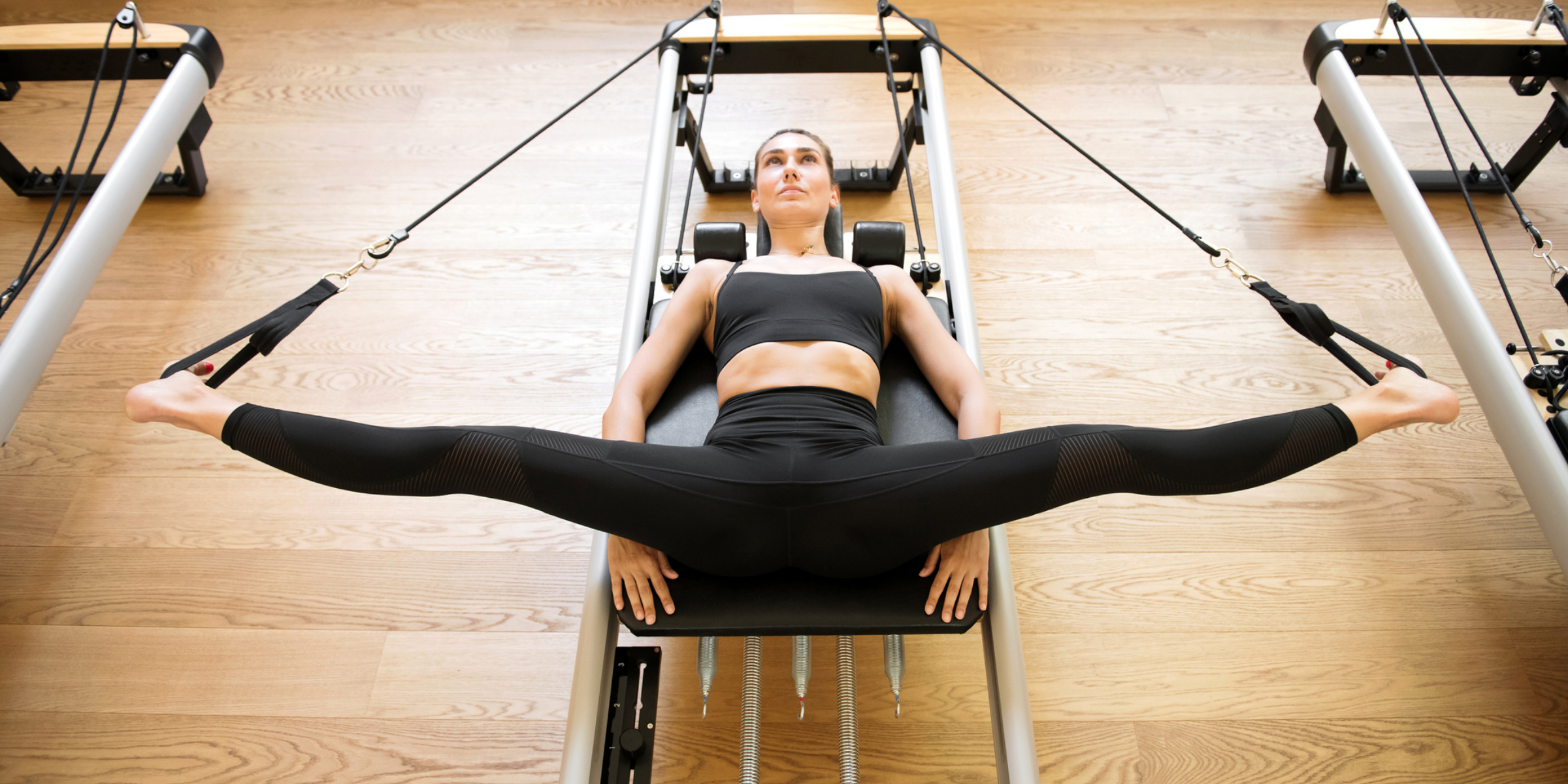
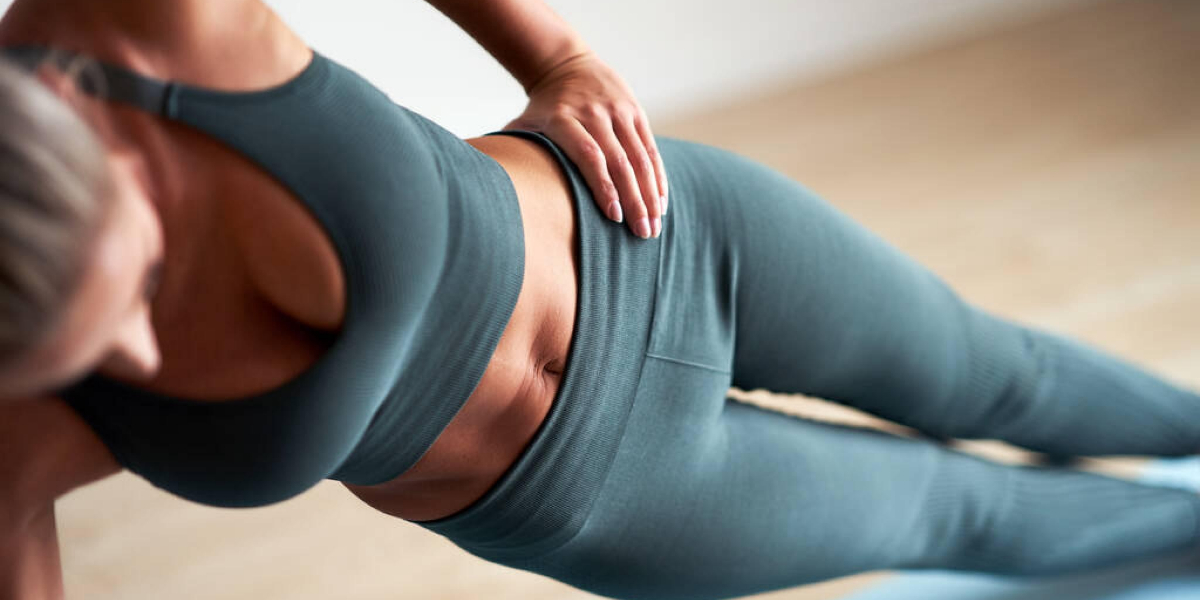
Pilates does change your body shape — but not in the same way that weightlifting or intense cardio does. Understanding how it changes things, and what the realistic timeline looks like, helps set the right expectations before you start.
How Pilates changes your body
Pilates works by building lean, functional muscle — particularly in the core, glutes, thighs, and back — while improving posture and body awareness. It does not bulk muscles up. Instead, it lengthens and tones them through controlled, precise movement. The result over time is a leaner, more upright silhouette, with better definition in the areas Pilates targets most directly.
There is a transitionary period that catches some people off guard. As muscle begins to form before fat fully burns away, the muscles can initially appear slightly larger or fuller — most commonly in the thighs. This is completely normal and temporary. Once the process settles, what is left is the lean, toned muscle that Pilates is known for producing.
Does Pilates build muscle?
Yes, though differently from weightlifting. Pilates uses eccentric muscle contractions — where the muscle fibre lengthens under tension — rather than the concentric contractions that create bulk. The result is increased strength and tone without the kind of muscle hypertrophy associated with heavy resistance training. This is what produces the characteristic long, sculpted look of a consistent Pilates practice.
Key benefits
Stronger core. The core is the foundation of all Pilates work. Strengthening the abdominals, lower back, glutes, and hip flexors together improves alignment and reduces back and hip pain for many people.
Improved posture. Because Pilates demands precise alignment in every movement, it develops the muscular awareness that corrects habitual posture problems. Good posture alone can make a visible difference to how your body looks and how you carry yourself.
Better flexibility and mobility. Deliberate, full-range movements improve the elasticity and functional range of your muscles over time. This carries over into everyday movement and other exercise forms.
Improved mood. Like all exercise, Pilates releases endorphins. Research supports the idea that it also reduces symptoms of anxiety and depression with consistent practice.
How long does it take to see results?
Most people who practise two to three times a week notice changes within three to six weeks. In the first couple of weeks, the body is adapting — building foundational muscle, becoming more aware of alignment, and beginning to improve posture. You may feel a difference before you see one.
After a couple of months of consistent practice, the visible changes become clearer: more defined muscles, a stronger core, better posture, and greater flexibility. Energy levels typically improve noticeably in this period too, as circulation and metabolism improve.
Is Pilates good for weight loss?
It can contribute to weight loss, but it works best as part of a broader routine. Pilates does not raise the heart rate as high as running or swimming, so calorie burn per session is lower than cardio-based exercise. Where it helps with weight loss is through improving metabolism over time and building the muscular foundation that makes other exercise more effective. For weight loss specifically, pairing Pilates with regular cardio and sensible eating gives the best results.
Class vs home practice
Both work, but there is a meaningful difference. I give some of my clients homework — a set of exercises to do between sessions — and the consistent feedback is that they feel more confident with the movements when they are being instructed. A qualified instructor can spot form errors that you will not notice yourself, adapt exercises to your specific body and any injuries, and provide the accountability that makes it easier to stay consistent. Home practice is a good complement to classes, not a full replacement for them.
Related posts: Will Pilates make my bum bigger covers glute-specific changes, and does reformer Pilates make you bulky addresses concerns about gaining muscle mass.