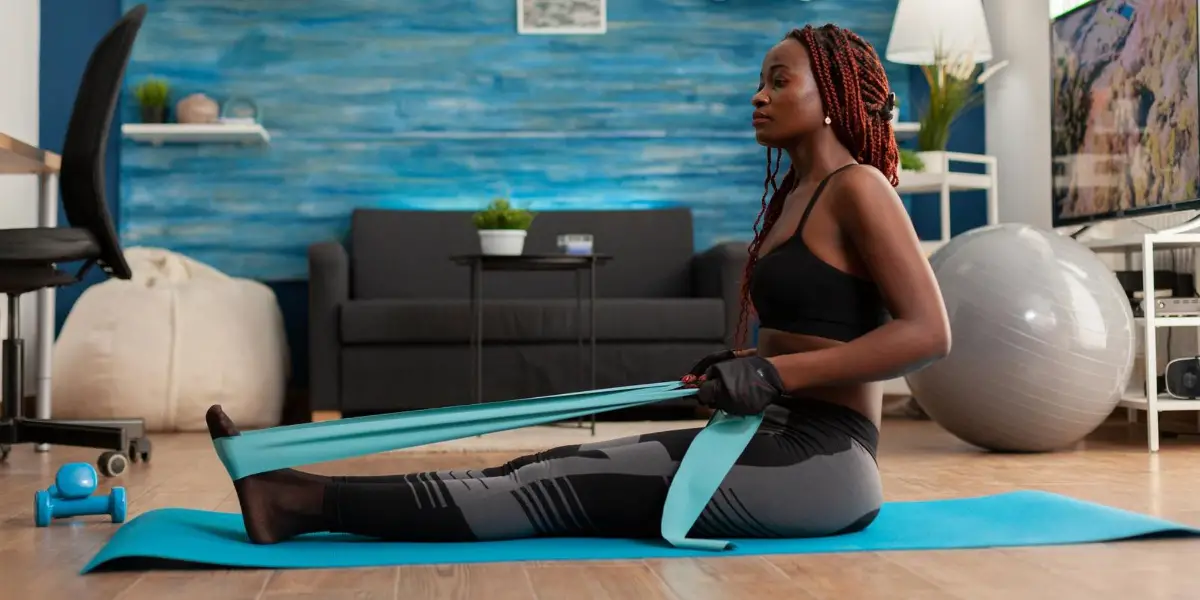
There is not much equipment needed to practise Pilates at home — at minimum, all you really need is a mat, suitable clothing, and enough space to lie flat. As you develop your practice, you might want to add props like resistance bands, hand weights, or a Pilates bar. Here is a rundown of what is worth considering and when.
Setting up your space
Pilates does not require a large room. You need enough space to lie flat without touching anything around you, plus a bit of room to reach past the edges of your mat. I have practised in my home studio, in a small office, and even on the coast — the flexibility is one of the things I love about it.
If you want a dedicated space, it helps to have a screen nearby for online classes, some basic storage for props, and ideally a room with natural light and ventilation. None of that is essential, but it does make regular practice easier to sustain.
What you actually need to start
A mat and your body. That is genuinely all. Pilates uses your own bodyweight to add resistance, and you will be surprised how challenging that is. You do not need specialist equipment to begin with — consistent mat work will still improve core strength, flexibility, and mobility.
If you do not have a mat yet, see my article on whether carpet is safe for Pilates. For clothing, the main thing is to wear something form-fitting that will not get in the way or tangle during movement.
Props worth adding as you progress
A chair
Not a specialist chair — just a sturdy kitchen chair without wheels, placed on your mat or carpet to stop it sliding. With a chair you can do a full-body workout covering shoulders, core control, and hip mobility. It is often one of the first additions I suggest to clients.
Pilates bar
A Pilates bar is a metal bar with resistance bands attached. You anchor the bands to the floor with your feet, which creates extra resistance when you perform standing and upper-body movements. They are inexpensive, compact, and far more versatile than they look.
Resistance bands
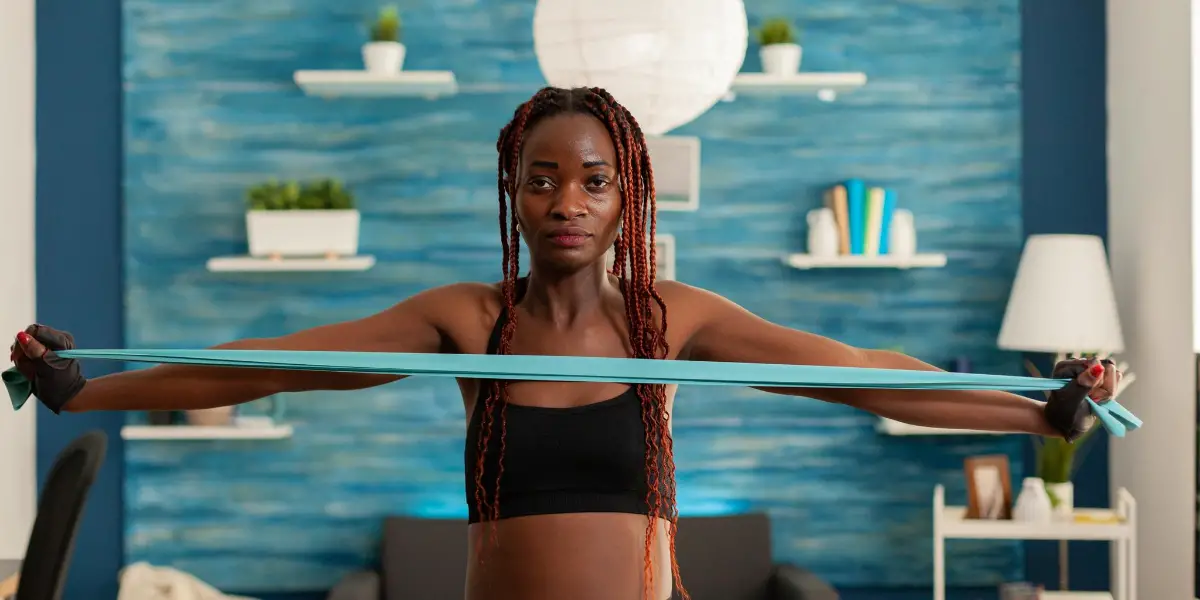
If you are not ready for a full Pilates bar, a resistance band is a good starting point. They take up almost no space, come in multipacks with different resistance levels, and are easy to incorporate once you know the basic movements well.
Small ball
The small Pilates ball is partly deflated by design, which allows it to flex under movement. It can support the lower back during floor exercises and help keep correct alignment. I use it regularly in my classes and people are always surprised how much of a difference it makes.
Stability ball
Most people have encountered a stability ball at some point, either in a gym or as a desk chair replacement. It adds a genuine challenge to exercises you think you have mastered — holding a plank position on one is a very different experience from doing it on the mat.
Hand weights
Small hand weights — 0.5 kg to 2 kg is usually enough — add extra work to mat exercises where bodyweight alone provides little resistance, such as arm movements performed lying on your back. If you are unsure about buying weights, try the workout below using food tins first.
Sliders
Sliders, or floor gliders, are small circular pads that slide on smooth floors. They increase the challenge of lunges, mountain climbers, and a range of mat exercises significantly. If you do not have sliders, a small folded towel or a duster under each foot works on hard floors. Use two matching items — one towel and one duster will slide differently, which can cause you to compensate and risk injury.
High-end equipment
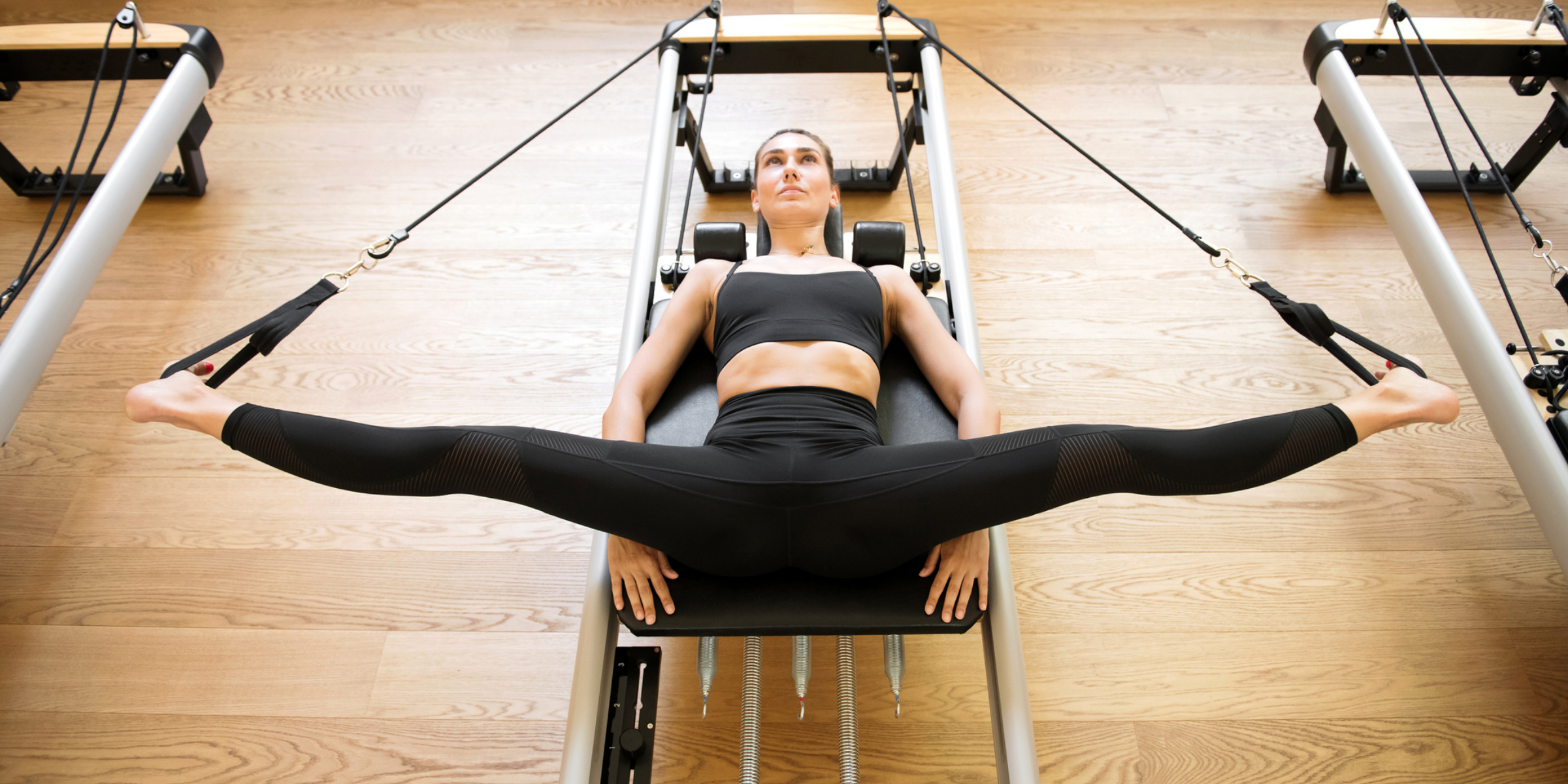
The Pilates reformer and Pilates chair are both brilliant pieces of equipment — but they are expensive, large, and most suited to instructors, studios, or people who have an established and committed practice. Unless you already know you love Pilates and have the space, I would not rush into either. Most studios and gyms offer reformer classes where you can try one properly before deciding whether to invest.
My advice is always to try equipment out in a class setting first. It lets you experience it with a teacher present, understand how it should feel, and figure out whether it is the right addition for your practice before spending money.