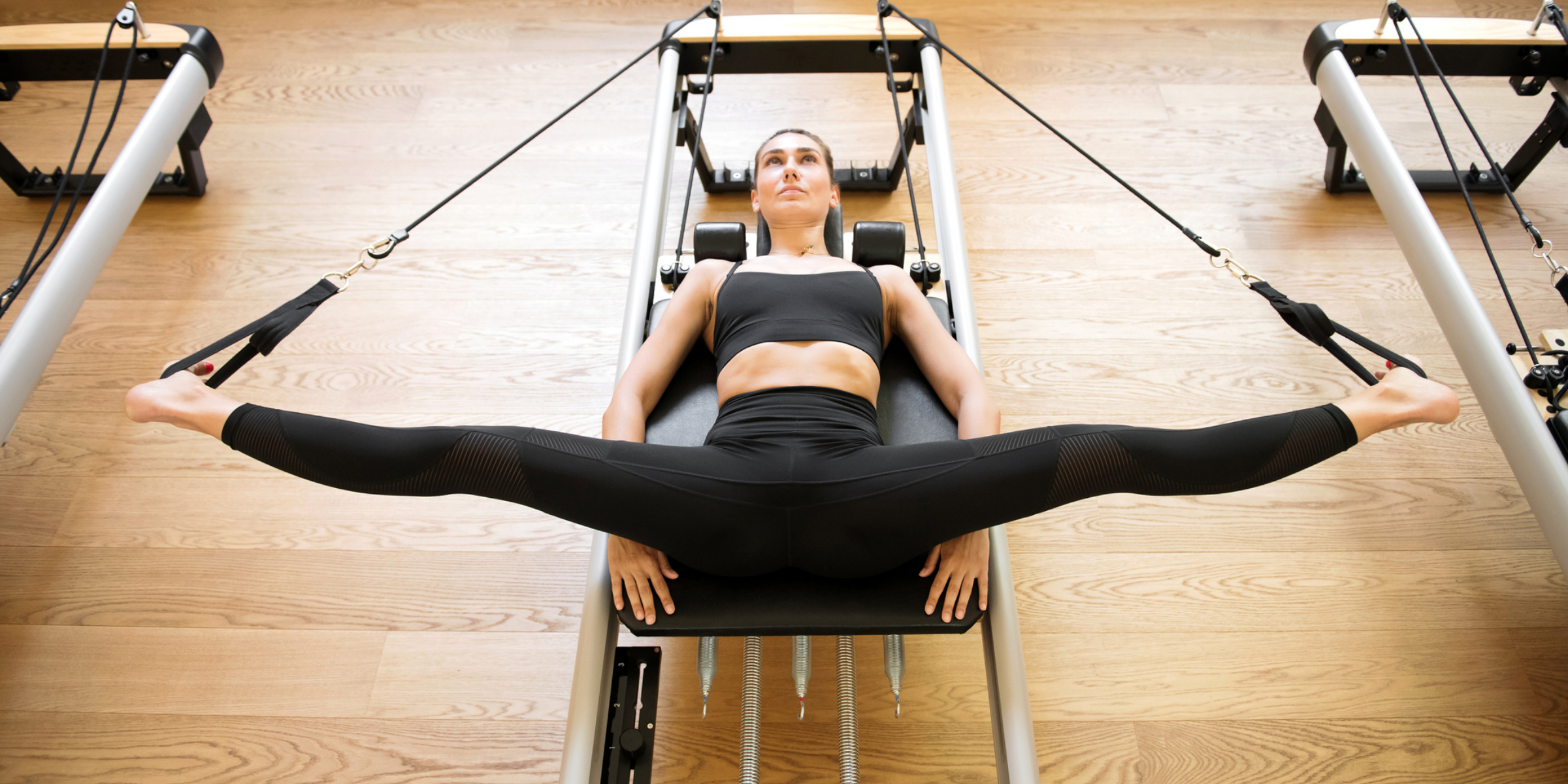

This is one of those questions where the instinct and the advice don’t always match. Many people assume working out on an empty stomach is fine, or even better for fat burning. With Pilates specifically, it’s not a good idea.
The short answer
Don’t do Pilates on an empty stomach. Eat something at least an hour before your session, or have a light snack 30–45 minutes beforehand if time is tight. Waiting for two hours after a full meal is comfortable for most people.
Why it matters more for Pilates than other exercise
There are two reasons this matters, and the second one is specific to Pilates.
First, digestion competes with exercise for blood flow. After eating, your digestive system gets a rush of blood to process food. If you exercise heavily before that process is complete, your body starts redirecting blood to working muscles and away from your stomach. This disrupts digestion and often leads to nausea or discomfort. It’s not Pilates-specific — it applies to any exercise — but it’s a good reason to give yourself time between eating and moving.
Second, Pilates focuses heavily on the core. Many Pilates exercises involve bending, curling, and compressing the abdominal area. Doing those movements with a full stomach is genuinely uncomfortable, and it can affect your ability to breathe and engage your deep muscles properly. The quality of the session drops significantly when you’re distracted by how your stomach feels.
A genuinely empty stomach is also a problem. Without fuel, you may find it difficult to concentrate, which matters in Pilates where focus is central to what you’re doing. Fatigue sets in earlier and recovery takes longer.
What to eat and when
If you have 1.5–2 hours before your session: a proper light meal works well. Think scrambled eggs with vegetables, a high-protein salad, or avocado on whole-grain toast. Enough to give you sustained energy without sitting heavily.
If you have 30–45 minutes: keep it small and quickly digestible. Good options:
- A banana
- A small pot of yogurt
- A handful of nuts
- Berries
- A boiled egg
- A piece of fruit
The goal is a small amount of carbohydrate for energy and a little protein to support muscle function. Don’t go heavy on fibre immediately before a session — it can cause bloating and discomfort during core work.
What to avoid
Large meals within an hour of training. Even healthy food needs time to digest. A big plate of pasta an hour before a reformer class is going to make you uncomfortable.
Spicy or heavily processed food. These are more likely to cause indigestion under the best of circumstances. Add vigorous core work and you’re asking for trouble.
High-fat meals close to training. Fats take longest to digest. Save them for after your session.
What about morning sessions?
If you’re training first thing in the morning, you’re working with a longer overnight fast. The good news is that a light snack eaten 20–30 minutes before an early session is usually enough. A banana and a glass of water, or a small smoothie, gives you what you need without requiring any real digestion time.
Some people do fine with early morning Pilates after just water. Most don’t. If you find yourself losing focus halfway through a session or feeling lightheaded, that’s a sign your body needed more fuel before you started.
If you’re wondering about optimal timing more broadly, I’ve written about whether there’s a best time of day for Pilates which covers the morning vs evening question in more detail.
The simple rule
Eat something, give it time, drink water. The details matter less than making sure you’re not training on empty and not training immediately after a full meal. Once you find what works for your body and schedule, it becomes second nature.
For the complementary question of how long to wait after eating before starting, see can you do Pilates after eating. For guidance on pre-workout supplements, see should you take a pre-workout before Pilates.