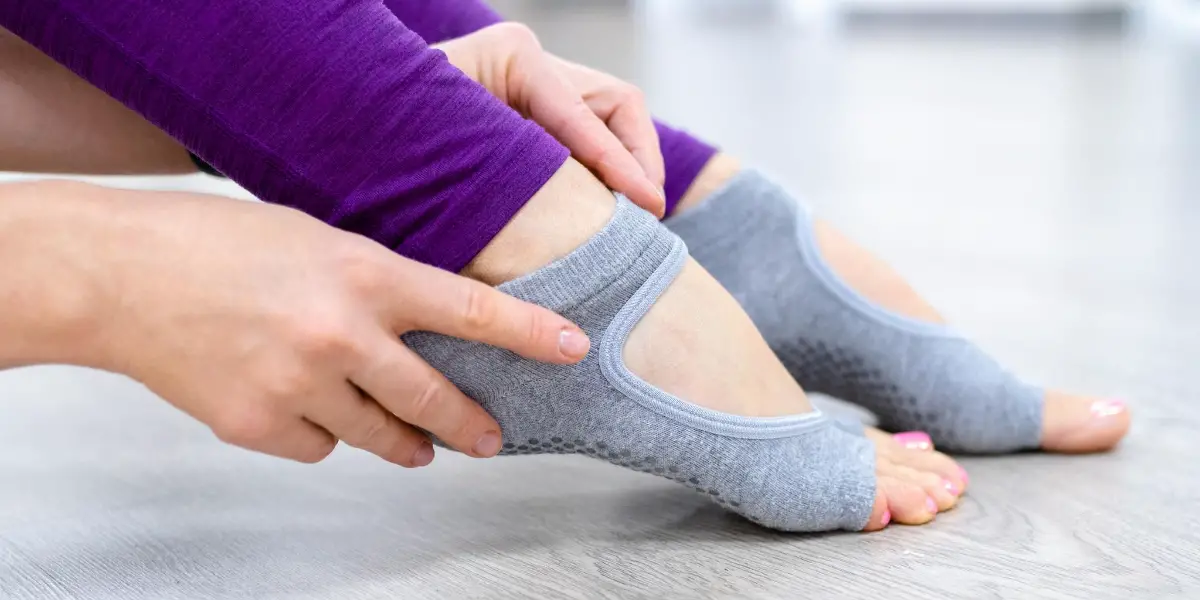
If you’ve noticed that most Pilates socks have open toes or small holes across the top, there’s a practical reason for it. The short answer is grip, ventilation, and feedback from the floor.
Here’s what’s going on and whether you actually need a pair.
The real reason for the holes
The holes in Pilates socks aren’t decorative. They serve two main purposes: letting your skin make contact with the surface beneath you, and allowing your feet to breathe during exercise.
Most Pilates socks have grippy rubber dots or patterns on the sole. That grip keeps your feet from sliding on the mat or on equipment like the reformer. The open toe or mesh design means your toes can still spread naturally and make contact with the surface, which genuinely helps with balance. When you’re doing standing work, single-leg exercises, or anything on the reformer that requires stable footing, that tactile feedback matters.
The ventilation side of things is straightforward. Exercise makes your feet sweat. Enclosed socks trap that moisture, which gets uncomfortable quickly, especially in a heated studio or during a longer session. The open design keeps air moving.
Grip and stability on equipment
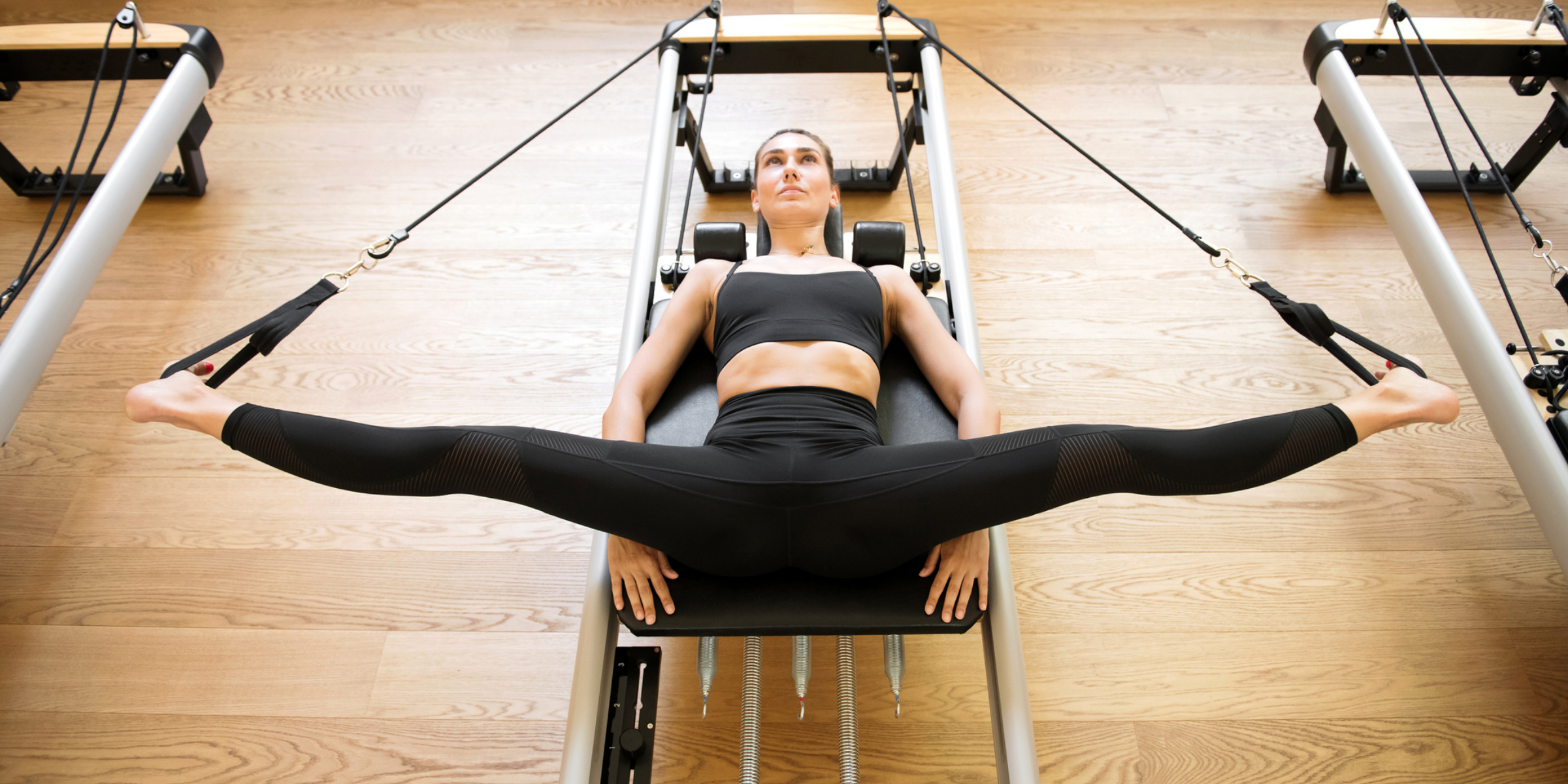
The grippy soles are the most important feature. On a reformer carriage, a Pilates mat, or a balance board, rubber dots on the underfoot give you a much more secure platform than bare feet or regular socks.
This matters more than people expect. Pilates involves a lot of slow, controlled movements where small slips can disrupt your form and focus. Grip socks let you concentrate on the movement rather than whether your feet are going to slide.
Do you actually need them?
For mat Pilates at home, probably not. Your bare feet on a non-slip mat will do the job fine.
For studio classes, most places recommend or require grip socks for hygiene reasons, particularly on shared equipment. If you’re doing reformer work regularly, a pair is genuinely useful.
They’re not expensive and a decent pair lasts a long time. Worth having if you’re going to class regularly.
Which ones to get
A few options worth looking at:
Tucketts Ballerina Toeless Non-Slip Grip Socks are a solid choice for beginners. They’re inexpensive, hold their position well, and the toeless design gives good floor contact. Available on Amazon.
Gaiam Grippy Studio Socks work well across Pilates, yoga, and barre. Gaiam have been making this kind of kit for years and the quality is reliable. Good if you use your socks across different class styles. Available on Amazon.
ToeSox Low Rise Half Toe Grip Socks have individual toe sections, which takes a moment to get used to but gives you excellent proprioceptive feedback. If you’re serious about your balance work, these are worth trying. Available on Amazon.
What about colour?
You’ll notice many Pilates instructors wear darker socks during class. There’s a practical reason: they’re easier to see against a mat when demonstrating footwork and alignment cues to students. As a student, you don’t need to think about this. Just find something that grips and fits well.
The short version
Grip socks exist because Pilates involves careful footwork on surfaces where slipping would disrupt your form and safety. The holes help with balance feedback and ventilation. You don’t strictly need them for home mat work, but they’re a sensible investment if you’re training in a studio or on equipment regularly.