
Club Pilates is a reformer-based studio franchise with locations across the US. For the right person it is genuinely good — but it is expensive, and it is worth knowing what you are paying for before committing to a membership.
What Club Pilates offers
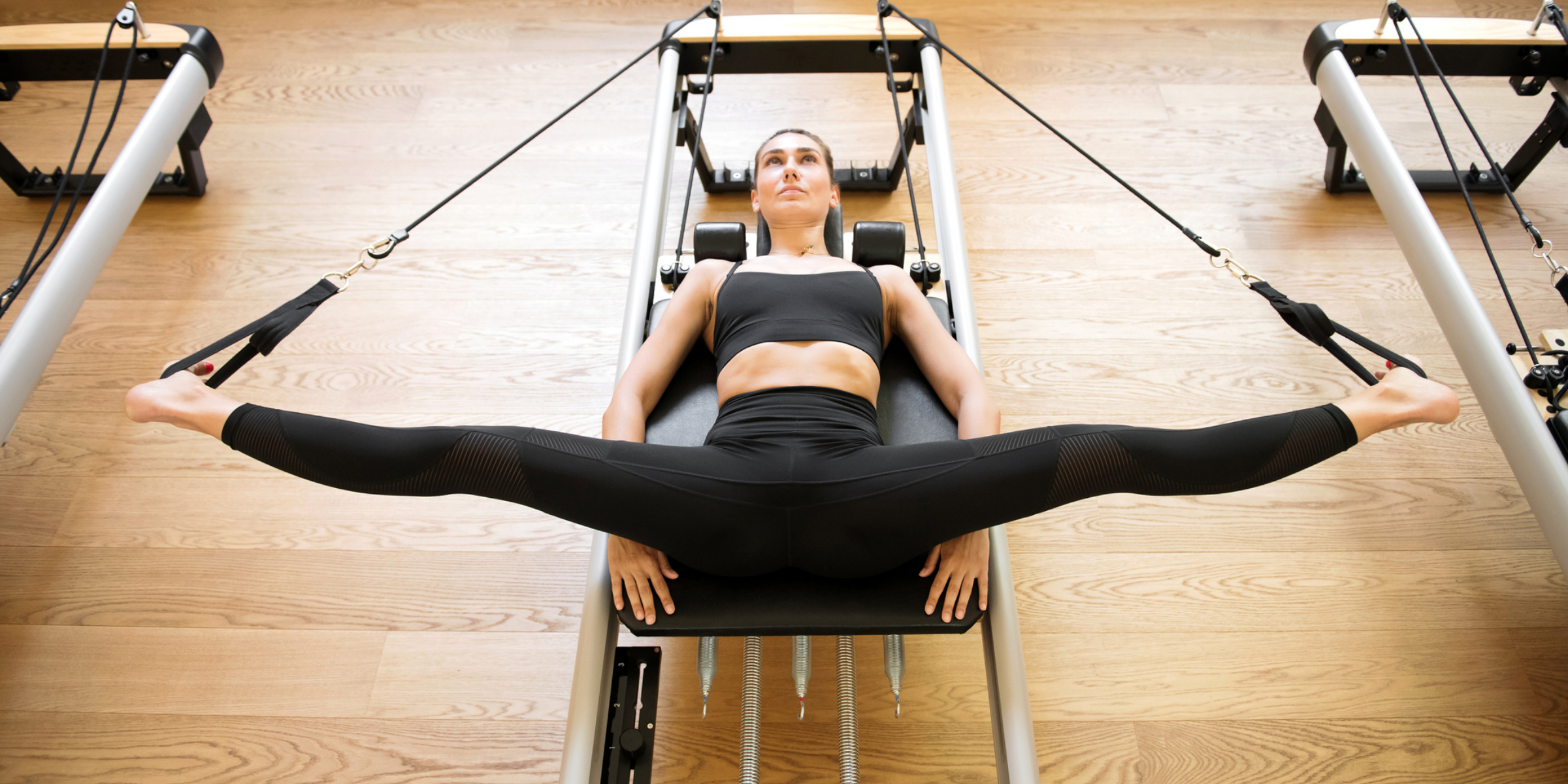
Club Pilates runs group reformer classes with certified instructors. Classes are typically 50 minutes and capped at around 12 people, which means more individual attention than a large gym class but less than a private session. They offer tiered levels from beginner to advanced, and the equipment is consistent across locations.
The format suits people who want reformer work but cannot afford private sessions, or who want the accountability of showing up to a scheduled class. The instruction quality is generally solid, and the environment is designed to feel welcoming rather than intimidating.
The costs
Pricing varies by location but individual classes tend to run between $20 and $35. Larger packages reduce the per-class cost. Monthly memberships typically range from $149 to $199, with higher-tier memberships offering unlimited classes. In the UK and elsewhere, look up your local studio for current pricing as it varies considerably by region.
That is a meaningful investment. Whether it is worth it depends on how often you go and what you are comparing it to. Monthly reformer studio prices in most cities are similar — Club Pilates is not unusual for the reformer market.
Who it works well for
Club Pilates is well suited to people who are new to reformer Pilates and want a structured introduction, those who have been before and want to continue a regular reformer practice, and anyone who benefits from the routine of showing up to a class rather than working out alone. It is not the right fit for people wanting high-intensity training — Pilates is low impact by design, and Club Pilates does not change that.
Common challenges
Beginners sometimes find the pace of the classes moves faster than they expected. If that is a concern, let the instructor know before your first session — they can guide you through the movements more specifically. The cost is the main barrier; if budget is tight, it is worth exploring whether the studio offers an introductory offer or trial period before committing to a membership.
Alternatives worth considering
My YouTube channel — I have to mention it. I post new Pilates workouts regularly and have over 100 videos available, covering everything from mat basics to equipment work. One viewer told me they cancelled their paid subscription service after discovering it — that was a lovely thing to hear. It is entirely free and a good way to build a consistent practice without studio costs. You will find it by searching for Pilates with Donna Finnie on YouTube.
Independent reformer studios. Many independent studios offer smaller class sizes and more personalised instruction than a franchise, sometimes at comparable prices. A local studio run by an experienced instructor can be an excellent alternative if one exists in your area.
Mat Pilates classes. If cost is the main concern, mat Pilates at a lower price point — or free via YouTube — will give you the foundations of Pilates without the reformer. Many people practise mat Pilates for years and never feel the need to move to reformer work. The reformer adds variety and adjustable resistance; the fundamentals are the same.