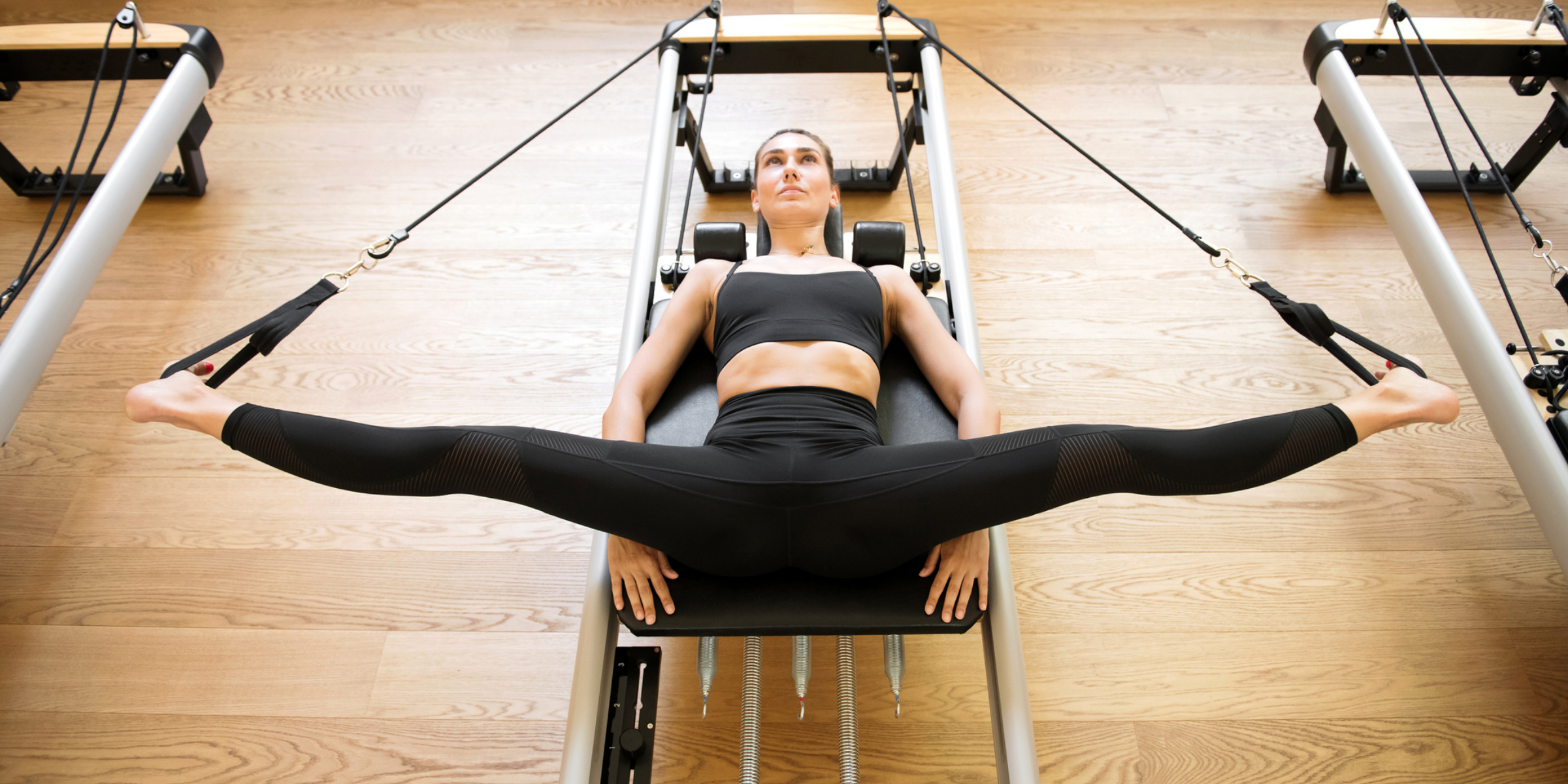
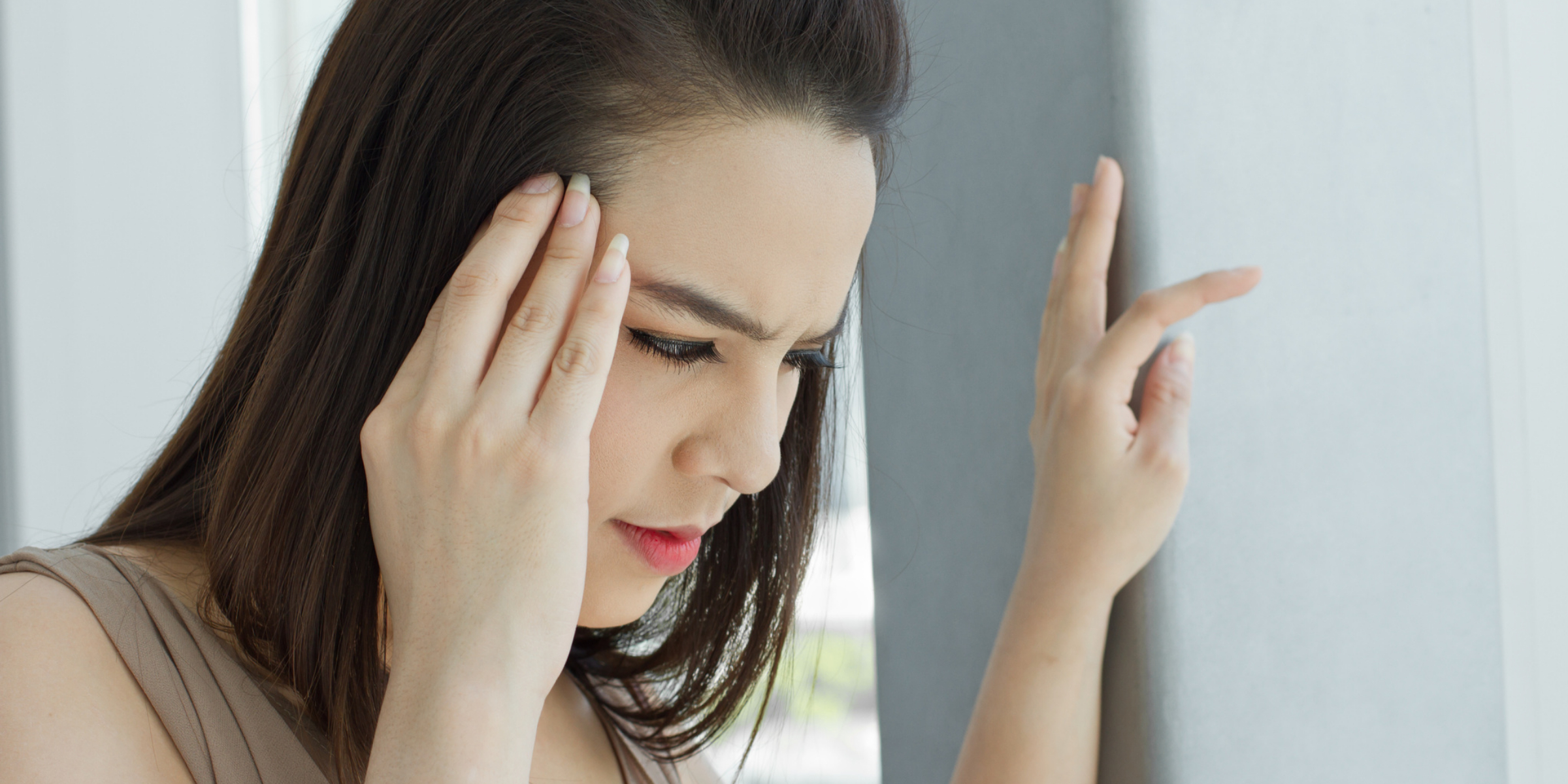
The short answer is no — Pilates itself does not cause vertigo. But if you’re already prone to a condition called BPPV (benign paroxysmal positional vertigo), certain Pilates exercises can trigger a bout of it. Understanding the difference matters.
What is BPPV?
BPPV is the most common cause of vertigo in adults. It happens when tiny calcium crystals in the inner ear — which normally help you sense movement — shift into a semicircular canal where they don’t belong. This disrupts the signals your inner ear sends to your brain about head position, causing a brief but very real spinning sensation.
It’s typically triggered by changes in head position: lying down, sitting up quickly, rolling over in bed, or tipping your head back. Most episodes last under a minute, but they can be disorienting and nausea-inducing.
Which Pilates movements can trigger it?
For someone who already has BPPV or is susceptible to it, the movements most likely to cause problems are:
Rolling exercises. Roll-ups, rolling like a ball, and similar movements involve repeated changes in head and spinal position that can displace crystals or aggravate an existing case.
Rapid position changes. Moving quickly from lying to sitting, or sitting to standing, can trigger symptoms. In Pilates this usually isn’t an issue because the method emphasises controlled movement, but rushing transitions between exercises can be a problem.
Inverted or extended neck positions. Exercises where the head drops back or the body is in a partial inversion put the inner ear in positions that can trigger BPPV symptoms in susceptible individuals.
The surprising flip side: inactivity and BPPV
Here’s something most people don’t expect. Research has found that physical inactivity is actually a risk factor for BPPV, not exercise itself. A study of nearly 500 elderly individuals found that women with a sedentary lifestyle were 2.62 times more likely to develop BPPV than those who exercised regularly [Bazoni et al., 2014].
A larger study found that poor physical activity levels were independently associated with BPPV with an odds ratio of nearly 19 — meaning very sedentary individuals had dramatically higher rates of the condition [Fu et al., 2020].
This matters because it reframes the question. Pilates isn’t a cause of vertigo — it may actually help protect against it through the balance training, postural work, and regular movement it provides. The risk is for people who already have BPPV and don’t know it, not for the practice of Pilates itself.
How to modify your practice if you’re prone to vertigo
If you have a history of BPPV or are currently experiencing episodes:
Tell your instructor. A good Pilates teacher can modify exercises for you — avoiding rolling work, adapting transitions, and keeping your head in a neutral position throughout.
Move slowly through transitions. Take your time sitting up, lying down, and moving between exercises. Controlled movement is already a core Pilates principle, but it’s especially important here.
Skip or modify certain exercises. Rolling like a ball, the pelvic curl where the head comes off the mat, and any exercise requiring a dropped-back head position can all be adapted or replaced.
Stay hydrated. Dehydration can worsen dizziness symptoms. Drink water before and during your session.
When to see a professional
If you’re regularly experiencing vertigo during or after exercise, see your GP or an ear, nose and throat specialist before continuing. BPPV can usually be treated very effectively with a repositioning manoeuvre (the Epley manoeuvre is the most common), which a physiotherapist or specialist can perform in a single appointment. Once treated, most people return to their normal Pilates practice without modification.
Persistent or severe dizziness during exercise is always worth investigating, regardless of the cause.