Reformer Pilates does not make you bulky. This is one of the most persistent misconceptions about the practice, and it is worth explaining clearly why it is not true.
How Pilates builds muscle differently
Significant muscle bulk requires two things working together: heavy progressive resistance training combined with high testosterone levels. Reformer Pilates uses spring resistance, which is adjustable but not comparable to the progressive overload of heavy weightlifting. The work is controlled, precise, and targeted at the stabilising and deep postural muscles rather than the large prime movers that respond to heavy loads by growing larger.
The result of regular reformer practice is improved muscle tone and definition, better posture, stronger core muscles, and increased endurance — not visible bulk. People who have worried about this and then tried reformer Pilates consistently report the opposite: their bodies look more streamlined and feel stronger, not bigger.
What the spring system does
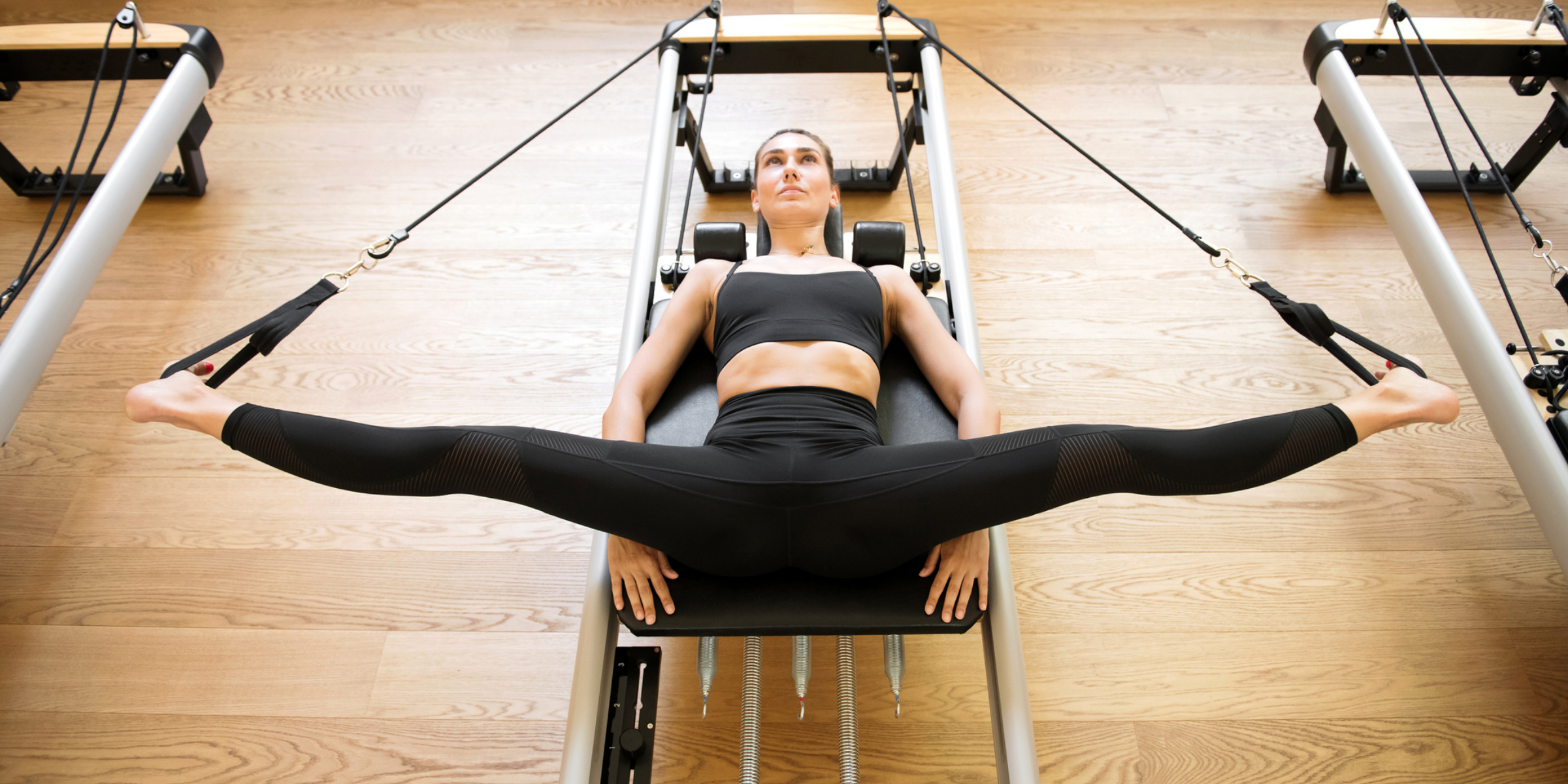
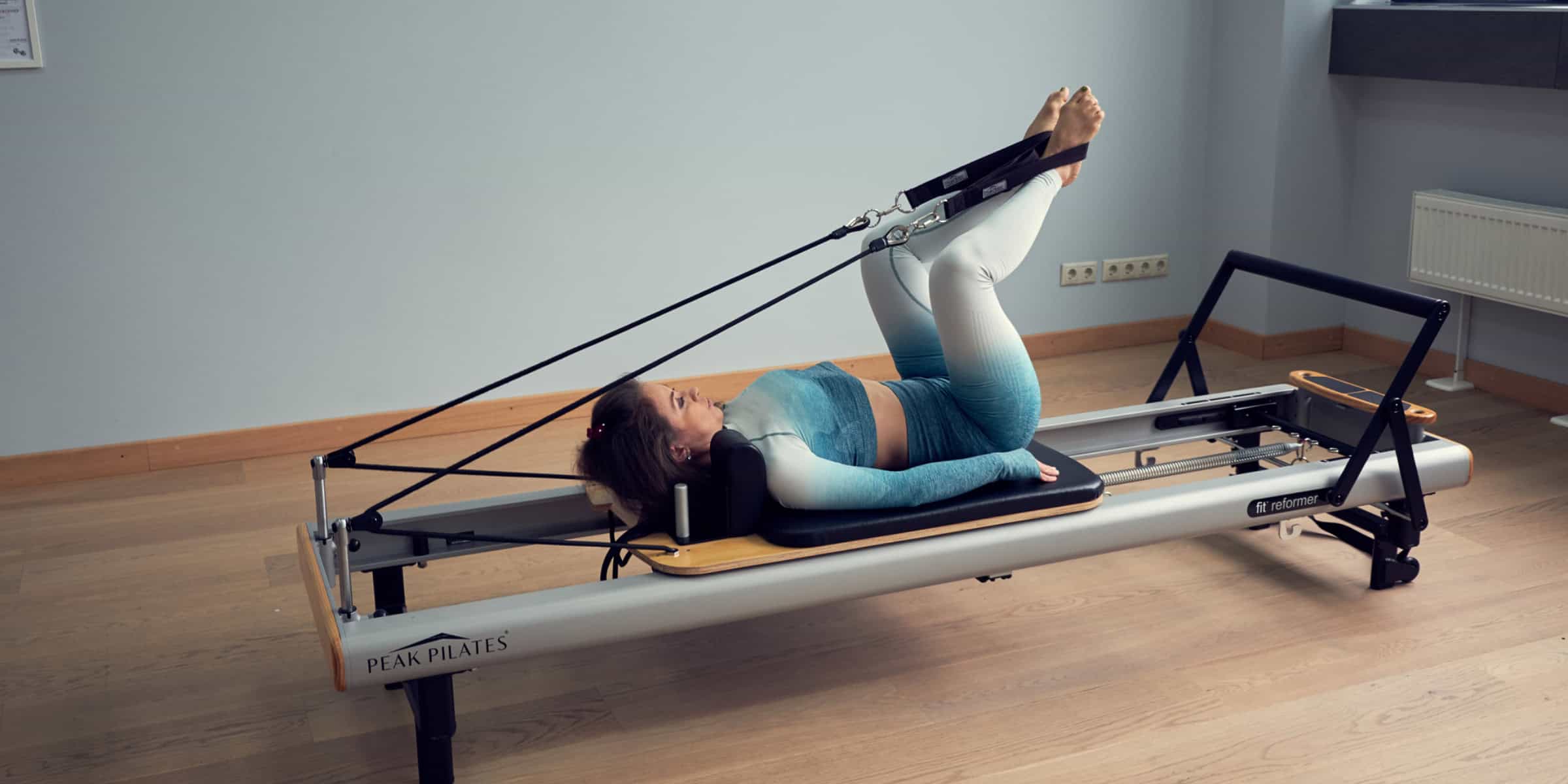
The reformer’s spring system can provide resistance or assistance depending on how it is configured. This dual function is why the reformer is useful for rehabilitation as well as fitness — it can be set to support a movement you are not yet strong enough to complete, or to resist it and build strength. Neither mode produces the conditions needed for significant muscle hypertrophy. The volume of tension and the progressive overload pattern simply are not there in the same way as traditional weight training.
Here is a full lower body reformer workout if you want to see and feel what that kind of resistance actually feels like in practice.
Core strength and body composition
Where the reformer does make a real difference is in core strength and body composition over time. Regular practice builds the deep core muscles — the transverse abdominis, pelvic floor, and muscles around the spine — which improve posture and stability without adding visible size. As these muscles become more efficient, everyday movement improves and other forms of exercise become more effective as well.
There is also a modest effect on overall body composition with consistent practice: increased lean muscle mass, improved metabolic rate, and reduced body fat over time. This tends to produce a leaner, more toned appearance — the opposite of bulk.
Who might see more muscle development
People who come to reformer Pilates from a sedentary background may notice more visible muscle change early on simply because their baseline is lower. But this is normal early adaptation, not bulk building. Once the body adjusts to the new demands, the changes become more about tone, endurance, and mobility than size.
If building muscle mass is actually your goal, Pilates alone will not be the most efficient route to it. It works best as either a standalone practice focused on function and movement quality, or as a complement to other training.
For more on what physical changes Pilates does produce over time, see does Pilates change your body shape. For the specific question of glutes, see will Pilates make my bum bigger.