While Pilates offers impressive benefits for core strength, posture, balance, and mental wellbeing, it’s not enough as your only workout. You’ll miss out on cardiovascular fitness, considerable calorie burn, and substantial muscle building that other exercises provide. For a complete fitness routine, consider pairing Pilates with cardio and strength training 2-3 times weekly. This balanced approach gives you the postural benefits of Pilates while filling the gaps for ideal physical health. The combination might surprise you!
The Proven Strength Benefits of Pilates Training
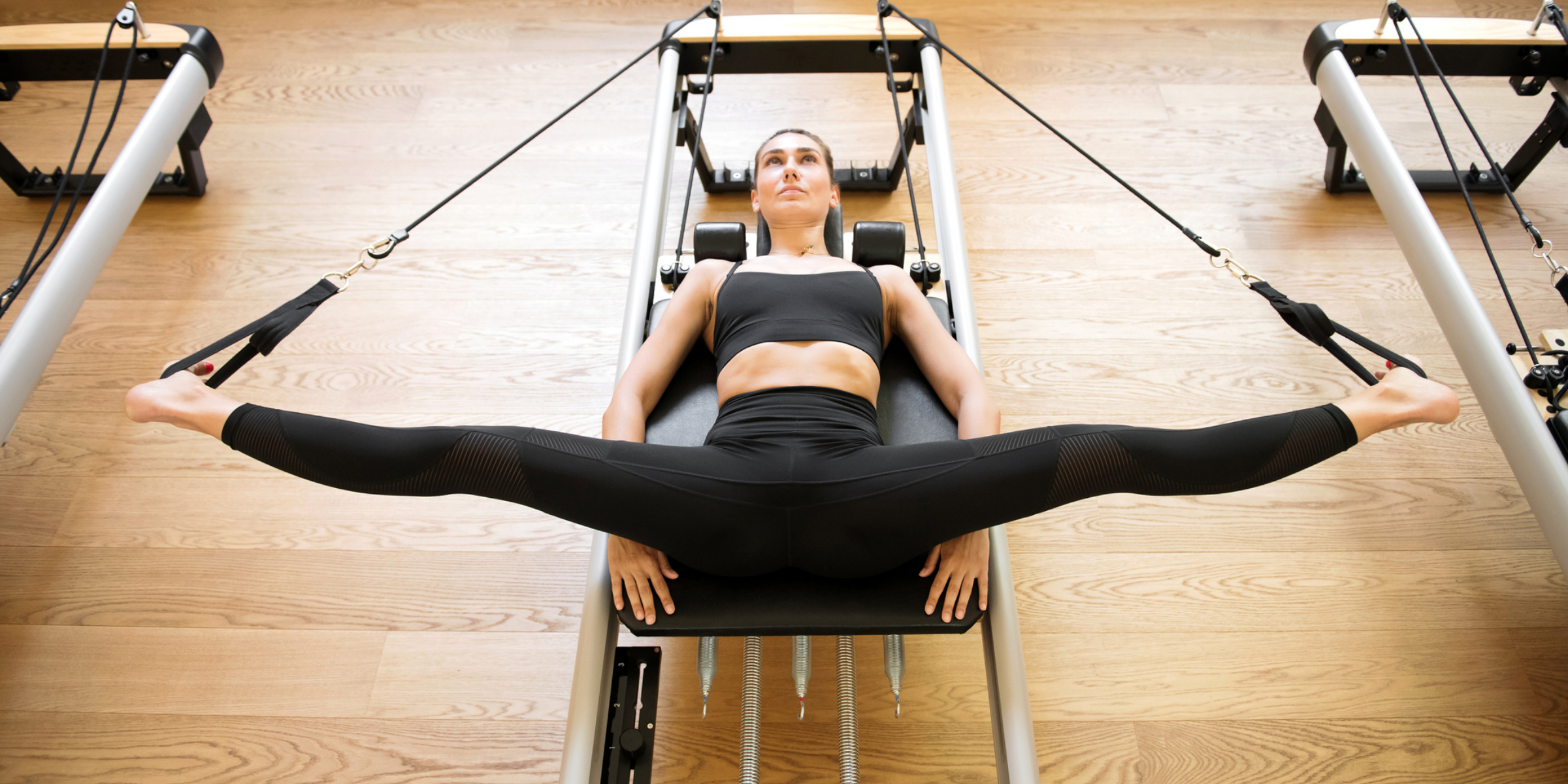
While many people think of Pilates as just another stretching class, the research clearly shows it’s a powerhouse for building strength. Your core muscles—those deep stabilizers in your trunk—get a serious workout during each session, with studies showing up to 20% maximum voluntary contraction in key muscles like your external obliques.
What’s unique about Pilates is how it builds functional strength without bulking you up. You’ll develop balanced muscle tone through precise, controlled movements that target deep musculature. This isn’t just aesthetic—it translates to real-world benefits in your daily activities and sports performance. Research specifically found that Reformer Pilates significantly improved upper extremity strength in overweight and obese women after just 8 weeks of practice.
Engaging all major muscle groups through Pilates promotes balanced strength and minimizes the risk of injury during physical activity. The best part? These strength gains also improve your joint stability, reducing injury risk and improving your overall physical capacity, whether you’re an athlete or just looking to feel stronger in everyday life. The method also focuses on creating dynamic strength that helps support joints and reduce susceptibility to injuries during everyday movements.
Postural Improvements and Balance Enhancement Through Pilates
When you stand in front of a mirror, what you’re seeing goes beyond mere appearance—it’s your body’s testimony to how you’ve moved throughout your life.
Pilates can rewrite that story.
Research shows Pilates effectively corrects posture throughout the spine—from your neck to your lower back. You’ll stand taller as it strengthens the muscles that support proper alignment.
For older adults, just eight weeks can considerably reduce forward head posture, kyphosis, and lordosis.
The balance benefits are impressive too. Whether you’re managing Parkinson’s disease or simply want more stability, Pilates delivers.
It improves both static balance and dynamic movement, with studies showing improved functional reach and faster completion of mobility tests.
When combined with breathing exercises, these benefits multiply, offering extensive postural transformation. Recent research with female university students demonstrated significant improvements in static postural stability under both eyes-open and eyes-closed conditions after 16 weeks of practice.
Pilates for Pain Management and Recovery: What the Research Says
The evidence supporting Pilates as a pain management strategy continues to grow, especially for those battling chronic low back pain. Studies show it can considerably reduce pain intensity with moderate to large effects, outperforming minimal interventions in both short and intermediate timeframes.
You’ll likely experience considerable improvements in functional ability too. Research demonstrates Pilates improves disability scores, spinal stability, and neuromuscular coordination better than general home exercises. These benefits often go hand-in-hand with pain reduction.
What’s particularly encouraging is how Pilates positively impacts quality of life. You might notice improvements in physical health domains, increased satisfaction, and a greater sense of recovery completeness compared to other routines. However, research indicates these improvements may not be sustained at 24 weeks, requiring consistent practice for long-term benefits.
While Pilates isn’t necessarily superior to all exercise forms, it’s certainly proven effective for many pain sufferers.
Where Pilates Falls Short as a Standalone Exercise Regimen
Despite its impressive benefits for core strength and flexibility, Pilates simply doesn’t check all the boxes for a complete fitness regimen.
While you might feel the burn during your reformer session, research shows it falls below recommended guidelines for both cardiovascular fitness and strength development.
Your body needs progressive overload to build muscle, something that’s limited with Pilates’ lighter resistance approach.
You’ll burn just 175-250 calories in a 50-minute session—significantly less than other workouts.
Plus, the low-to-moderate intensity means you’re not meeting federal guidelines that recommend both aerobic activity and high-intensity strength training.
Don’t get me wrong—Pilates has its place!
Pilates primarily engages Type I muscle fibers, which are excellent for endurance but won’t produce the same hypertrophy as traditional strength training methods.
But if you’re hoping for substantial muscle gains or cardiovascular improvements, you’ll need to supplement your practice with additional forms of exercise.
For optimal results, consider combining Pilates with strength training to enhance your overall posture, balance, and flexibility while still building muscle mass.
How Pilates Complements Athletic Performance and Functional Movement
While Pilates mightn’t stand alone as your complete fitness solution, it offers extraordinary benefits as part of a well-rounded training program.
Athletes who incorporate Pilates see notable improvements in core strength, with baseball pitchers showing up to 32.7% better core stability scores. This translates directly to your performance—think faster throws, better balance, and more efficient movement patterns.
You’ll also enjoy improved flexibility without sacrificing muscle power. Studies show impressive gains in hamstring flexibility, reducing your risk of those dreaded muscle strains that can sideline your progress. Pilates promotes dynamic stretching movements that maintain strength while enhancing range of motion.
Perhaps most impressively, Pilates creates better movement quality by improving your neuromuscular efficiency. This means your body works smarter, not harder, during everything from daily activities to competitive sports.
Your joints will thank you too, as Pilates naturally reduces stress on vulnerable areas. The mindfulness aspect of Pilates helps athletes maintain focus during training and competition, enhancing overall mental presence.
The Mind-Body Connection: Mental Health Benefits of Pilates Practice
Mindfulness extends far beyond the physical benefits of Pilates, creating a powerful sanctuary for your mental wellbeing. When you practice those controlled movements, you’re actually regulating stress hormones while boosting mood-enhancing chemicals like serotonin and endorphins.
You’ll likely notice improved sleep quality, as Pilates activates your body’s relaxation response through deep breathing and mindful movement. The controlled, mindful movement helps redirect your attention away from daily stressors and toward present-moment awareness. This isn’t just anecdotal—studies show Pilates markedly reduces symptoms of anxiety and depression, with even stronger effects when practiced consistently for 16+ weeks.
Beyond stress relief, you’re building mental resilience that transfers to everyday life. Regular Pilates practice can significantly increase your emotional resilience when facing stressful situations. The intense concentration required during sessions improves your focus and clarity, while that post-workout sense of accomplishment boosts confidence.
It’s like giving your brain a invigorating reset while your body gets stronger.
Creating a Well-Rounded Fitness Routine With Pilates as the Foundation
While Pilates builds your core strength and flexibility beautifully, pairing it with cardio workouts can fill the cardiovascular gaps and boost your calorie burn.
You’ll create a perfect fitness synergy when you combine your Pilates practice with strength training, allowing for more complete muscle development and functional strength.
This balanced approach gives you the best of both worlds—the mindful, controlled movements of Pilates as your foundation, plus the heart-pumping benefits of cardio and the progressive resistance that builds stronger muscles over time.
Pilates Plus Cardio Benefits
Combining Pilates with cardio training creates a fitness powerhouse that improves your overall health beyond what either practice can achieve alone.
When you blend these complementary workout styles, you’re building a stronger foundation for all your physical activities.
Here’s how this dynamic duo works together:
- Your VO2 max (oxygen uptake) improves greatly, boosting your endurance for everyday activities.
- Pilates boosts your breathing technique and posture, making your cardio workouts more efficient.
- You’ll recover faster from intense cardio sessions thanks to Pilates’ circulation-boosting effects.
- The combination leads to better body composition—less fat, more muscle—than either workout alone.
For best results, aim for three cardio and two Pilates sessions weekly.
Your heart, lungs, and muscles will thank you!
Strength Training Synergy
Although Pilates offers tremendous core benefits, pairing it with strength training creates a fitness approach that’s far greater than the sum of its parts. When you combine these disciplines, you’re building both deep internal stability and external muscle power—a winning combination!
Your Pilates practice improves body awareness and proper alignment, helping you perform strength exercises with better form and reduced injury risk.
Meanwhile, strength training builds the muscle mass and bone density that Pilates alone can’t provide. Together, they create balanced development: strength training builds, while Pilates lengthens and opens tight muscles.
This partnership also keeps your routine fresh and engaging. You’ll develop a stronger mind-body connection that transfers to daily activities, while creating a thorough foundation for lifelong fitness that addresses all aspects of physical health.
Frequently Asked Questions
Can Pilates Help With Specific Medical Conditions Like Arthritis or Osteoporosis?
Yes, Pilates can help with arthritis and osteoporosis. It improves joint mobility, builds strength around affected joints, boosts posture, and reduces fall risk while being gentle enough for these conditions.
How Does Pilates Compare to Yoga for Flexibility and Stress Reduction?
Pilates builds flexibility through strengthened movement with muscle control, while yoga uses static stretches. You’ll get stress relief from both—Pilates through mindful physical control, yoga through deeper meditation and breathwork practices.
Is Pilates Suitable During Pregnancy and Postpartum Recovery?
Yes, Pilates is highly suitable during pregnancy and postpartum. You’ll benefit from its core strengthening, improved posture, and gentle movements. Just make certain you work with qualified prenatal instructors and get your doctor’s approval first.
What’s the Difference Between Clinical Pilates and Regular Studio Classes?
Clinical pilates is led by physiotherapists who customize exercises for your specific injuries or conditions. Regular studio classes are taught by fitness instructors who focus on general technique for groups with less individualized attention.
How Many Pilates Sessions Weekly Are Needed to See Noticeable Results?
You’ll notice results with 2-3 weekly sessions after about 10 sessions. For faster progress, aim for 3-4 sessions weekly. Beginners feel differences first, while visible changes typically appear after 20 sessions of consistent practice.
Final Thoughts
Pilates offers incredible benefits for your strength, posture, and mental health, but it’s not a complete fitness solution on its own. You’ll get the most out of your fitness path by using Pilates as your foundation while adding cardio and resistance training to fill the gaps. Whether you’re an athlete or fitness newbie, this balanced approach gives you the best of all worlds—strong core, functional movement, and total-body health.