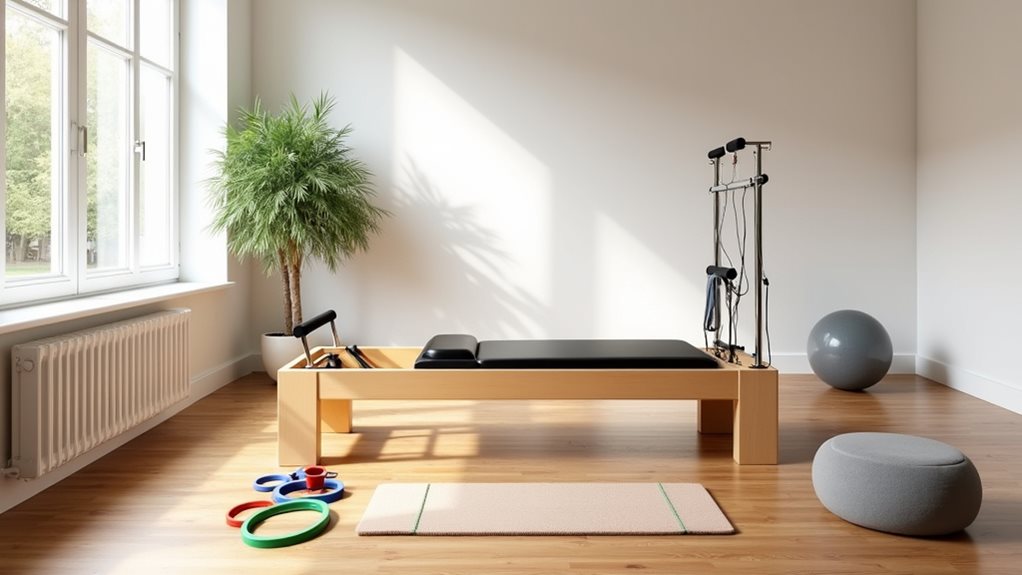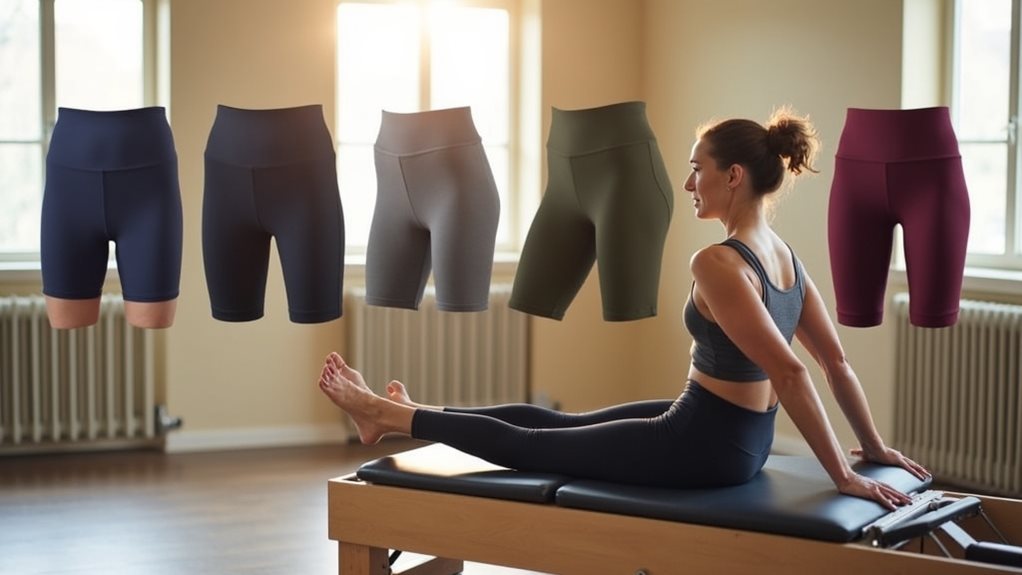
Pilates is ideal for women over 40 because it addresses your changing body’s specific needs. You’ll combat age-related muscle loss with gentle resistance while easing menopausal symptoms through controlled movements. It protects your joints, corrects postural imbalances, and strengthens your core and pelvic floor—all essential during this life stage. The low-impact nature combined with stress-reducing benefits makes it perfect for your busy schedule. Discover how these targeted exercises can transform both your physical and hormonal balance.
Combating Age-Related Muscle Loss With Low-Impact Resistance
As women cross the threshold of 40, our bodies begin a subtle rebellion against us, with muscle loss becoming one of the most substantial challenges we face.
But don’t worry—Pilates offers the perfect solution with its low-impact resistance approach.
You’ll be thrilled to know that low-to-moderate intensity resistance training is exceptionally effective for preserving muscle.
With controlled movements at just 30-50% of maximum effort, you’re getting comparable benefits to high-intensity workouts without the joint strain.
No need to push yourself to exhaustion—gentle Pilates resistance delivers powerful results while keeping your joints happy and pain-free.
Pilates exercises like squats, lunges, and planks performed 2-3 times weekly can markedly increase your muscle size and strength. This approach is particularly effective since research shows that light resistance exercises can build muscle mass just as effectively as heavy weights. Always remember to incorporate rest days between sessions to allow your muscles proper recovery time.
The beauty of Pilates is that it strengthens the muscles surrounding your joints, improving stability and reducing pain—especially important if you’re dealing with arthritis or back discomfort.
It’s sustainable, effective, and perfectly customized for your changing body.
This mind-body practice also targets the deep core muscles that support your spine, which can significantly improve posture and reduce back pain common in midlife.
Easing Menopausal Symptoms Through Controlled Movement
You’ll find your hormonal balance may improve as you practice Pilates regularly, with its unique combination of movement and breath work creating a stabilizing effect on your body’s systems.
If you’ve been struggling with sleep during menopause, the relaxation techniques and physical fatigue from a good Pilates session can help you fall asleep faster and stay asleep longer.
The combination of reduced stress hormones and increased endorphins from your Pilates practice creates a powerful one-two punch against the most disruptive symptoms of menopause. Many women experience relief from musculoskeletal pain through Pilates’ low-impact strengthening exercises that enhance blood circulation without putting strain on sensitive joints. Research has shown that Pilates can effectively decrease hot flashes and other common menopausal symptoms when practiced consistently.
Hormonal Balance Restoration
When hormonal changes disrupt your body’s natural rhythm during perimenopause and menopause, Pilates offers a powerful way to restore balance from within.
Through controlled breathing and mindful movement, you’ll activate your parasympathetic nervous system, helping lower those pesky cortisol levels that contribute to belly fat and mood swings.
Your insulin sensitivity improves with regular practice, counteracting the effects of declining estrogen while building lean muscle that stabilizes blood sugar. Pilates emphasizes quality over quantity in each movement, making it particularly effective for women experiencing hormonal fluctuations.
You’ll notice fewer energy crashes and sugar cravings as your metabolism finds its new normal.
The strength-based movements stimulate bone growth and improve circulation, supporting hormone function when your body needs it most.
Plus, core and pelvic floor conditioning addresses physical symptoms like back pain and bladder control issues. Classes led by Chartered Physiotherapists provide clinically informed exercises specifically designed to address the unique challenges of menopause.
Isn’t it amazing that a workout can support your body’s chemistry while making you feel stronger and more centered?
Sleep Quality Improvement
While tossing and turning has become your nighttime norm during menopause, Pilates offers a powerful solution for those frustrating sleep disruptions.
Studies show that just 12 weeks of regular practice can greatly improve your sleep quality and duration while reducing those middle-of-the-night awakenings.
The magic lies in how Pilates works with your body. Those mindful movements and deep breathing techniques naturally lower stress hormones like cortisol, helping your nervous system shift into a calmer state. Reformer Pilates specifically enhances this effect through its controlled resistance system, creating a deeper state of physical and mental relaxation.
Plus, the physical exertion increases your body’s need for recovery, making falling asleep easier and more natural.
You’ll likely notice benefits beyond better sleep too—reduced anxiety, improved mood, and decreased fatigue.
For best results, aim for consistent practice 2-3 times weekly, and watch as your sleep transforms. However, research suggests that Pilates may have limited effectiveness for improving sleep quality specifically in postmenopausal women over 40.
Protecting Vulnerable Joints While Building Strength
As the body ages past 40, protecting your joints becomes just as vital as building strength – and Pilates masterfully addresses both needs simultaneously. Your joints will thank you for this low-impact workout that promotes natural lubrication without the jarring effects of high-intensity exercises.
Unlike exercises that can wear down cartilage, Pilates gently circulates synovial fluid through your joints, nourishing them while flushing out inflammatory substances.
You’ll strengthen both your core stabilizers and the muscles surrounding vulnerable joints, creating a protective framework that reduces everyday wear and tear.
What’s particularly brilliant about Pilates is how it can be customized to your body’s needs. Whether you’re dealing with knee sensitivity or shoulder stiffness, exercises can be modified to build strength without aggravating joint conditions. This is especially valuable since regular exercise provides crucial pain management techniques for those experiencing arthritis symptoms.
For women experiencing perimenopause or menopause, Pilates can specifically target the joint and muscle pain that often accompanies hormonal changes.
It’s like getting an oil change and a tune-up in one session!
Correcting Decades of Postural Imbalances
Years of looking down at screens, carrying heavy bags, and steering through life’s stresses have likely left their mark on your posture—but it’s never too late to make remarkable changes.
As women age, our spines naturally shift: thoracic kyphosis deepens (that rounded upper back), while lumbar lordosis flattens, throwing off our body’s alignment.
Pilates directly addresses these age-related changes by strengthening the essential erector spinae muscles that keep your trunk properly aligned.
You’ll notice your shoulders becoming more symmetrical and your forward head posture improving as exercises target those stiffening neck muscles.
The beauty of Pilates is how it corrects postural imbalances while simultaneously protecting your joints—a vital benefit as muscle elasticity declines approximately 1.5% yearly after age 30.
Better posture doesn’t just look good—it reduces fall risk and preserves your mobility for years to come.
Strengthening Your Core and Pelvic Floor
The foundation of a strong, resilient body after 40 begins with what Pilates instructors call your “powerhouse”—the deep core and pelvic floor muscles that literally hold everything together.
As you practice Pilates, you’re not only toning—you’re building functional strength that supports your spine and improves your posture in every movement you make.
Your pelvic floor, often neglected until problems arise, gets special attention in Pilates. These exercises strengthen muscles that may have weakened through childbirth or hormonal changes, helping prevent embarrassing leaks and organ prolapse.
The controlled movements in Pilates also restore balance to your body, addressing years of one-sided habits.
With each session, you’ll gain flexibility and stability—essentials that diminish naturally with age but return with consistent practice. Your body will thank you!
Adapting Pilates to Your Changing Body
As your body changes with age, your Pilates practice should evolve too, gradually adjusting intensity levels to match your current strength and energy.
You’ll need to adapt exercises during hormonal fluctuations, whether it’s perimenopause or menopause, as these shifts can affect your flexibility, balance, and stamina.
Remember to honor your body’s signals by respecting physical limitations—this isn’t about pushing through pain, but rather finding modifications that let you gain strength safely while working within your comfort zone.
Progressive Intensity Adjustments
While your body undergoes natural changes after 40, Pilates offers remarkable flexibility in its intensity levels, making it the perfect exercise companion for this transformative phase of life.
You don’t need to jump into advanced moves right away. Start with beginner-level exercises that focus on proper form, then gradually increase repetitions of movements like the Hundred or Leg Circles as you build confidence.
You’ll feel your strength grow as you incorporate resistance tools like magic circles or small weights.
Track your progress using the Rate of Perceived Exertion (RPE) scale, aiming for a comfortable 9-13 range.
As you advance, challenge yourself with longer holds and increased ranges of motion. The beauty of Pilates lies in its adaptability—you’re in control of your progression, allowing you to honor your body while continuously improving.
Modify During Hormonal Shifts
Hormonal changes don’t have to disrupt your fitness path—Pilates offers remarkable adaptability just when your body needs it most.
When hot flashes or mood swings strike, gentle breathing techniques and mindful movements can actually reduce your cortisol levels, helping you sleep better and feel calmer.
Notice joint pain increasing? Your instructor can modify exercises to strengthen surrounding muscles without stressing sensitive joints.
This targeted approach supports bone density during estrogen decline while improving balance—crucial as fall risks increase.
You’ll appreciate how Pilates can be adjusted day-to-day for fluctuating energy levels and discomfort.
On tough days, focus on gentle stretching; when you’re feeling stronger, challenge yourself with more resistance.
This flexibility makes Pilates uniquely suited to perimenopausal and menopausal bodies, keeping you consistent with exercise when your body seems anything but.
Respect Physical Limitations
Your body tells a story of resilience and change, and respecting its new limitations doesn’t mean giving up—it means getting smarter about how you move.
Pilates excels here because it’s infinitely adaptable to whatever your body needs today.
When your knees protest or your shoulder twinges, you don’t have to push through pain. Instead, modify! Try seated versions of standing exercises, reduce your range of motion, or use props like pillows for support.
The beauty of Pilates is that you’ll still strengthen your core and improve stability even with adjustments.
Listen to your body’s signals—they’re wisdom, not weakness. When an exercise doesn’t feel right, your instructor can suggest alternatives that provide the same benefits without the discomfort.
Creating Balance Between Strength and Flexibility
As women enter their 40s, finding harmony between strength and flexibility becomes essential for maintaining an active, pain-free lifestyle. Pilates excels at developing both qualities simultaneously, unlike workouts that focus on just one aspect.
You’ll love how Pilates combines active stretching with muscle strengthening, creating functional flexibility that transfers directly to everyday movements. This isn’t just about touching your toes—it’s about easily reaching overhead, turning to check blind spots while driving, and bending to tie your shoes without discomfort.
The flowing sequences specifically target your spine, hips, and shoulders—areas commonly affected by desk work and sedentary habits.
With consistent practice, you’ll build resilient muscles that support your expanded range of motion, giving you both strength and freedom in movement.
Managing Stress and Hormonal Shifts
Beyond building physical strength and flexibility, Pilates offers powerful tools for guiding through one of the most challenging aspects of midlife—the hormonal rollercoaster.
As your body maneuvers through the perimenopausal path, declining estrogen and progesterone can wreak havoc on your stress levels and sleep quality. You’re not imagining those mood swings!
With about 40% of women experiencing sleep disturbances during this time, it’s no wonder you’re feeling the strain.
Pilates provides a perfect counterbalance by regulating your breath and movement, which can help normalize cortisol levels—that pesky stress hormone that’s often heightened during this phase.
The mindful nature of Pilates practice creates a much-needed pause button for your nervous system, potentially improving sleep quality and reducing those frustrating hot flashes that keep you up at night.
Fitting Efficient Workouts Into Your Busy Schedule
Juggling career demands, family responsibilities, and self-care often leaves women over 40 feeling like there simply aren’t enough hours in the day for a proper workout routine.
Time is every woman’s scarcest resource after 40—but fitness doesn’t need to be sacrificed on the altar of busyness.
That’s where Pilates shines! You don’t need marathon sessions to reap the benefits—just smart, efficient workouts that maximize your limited time.
Try these time-saving Pilates approaches:
- Break workouts into two 20-minute sessions when you can’t find a full 40 minutes
- Focus on compound movements that work multiple muscle groups simultaneously
- Incorporate quick 10-minute Tabata-style intervals on your busiest days
- Use resistance bands for on-the-go workouts that require minimal setup
Frequently Asked Questions
How Do Pilates Results Compare to Weightlifting for Women Over 40?
While weightlifting builds more muscle mass and bone density, you’ll get better flexibility, posture, and joint health with Pilates. Combining both gives you ideal results for strength, mobility and balance after 40.
Can Pilates Help With Specific Menopausal Symptoms Like Hot Flashes?
Yes, Pilates can help reduce your hot flashes through improved vasomotor control. You’ll likely experience fewer night sweats and better sleep quality after an eight-week program, while also enjoying reduced anxiety and mood swings.
Is Pilates Effective for Women With Existing Injuries or Arthritis?
Yes, Pilates is highly effective if you have injuries or arthritis. You’ll benefit from its controlled, low-impact movements that strengthen muscles around joints, improve stability, and boost mobility without exacerbating pain or causing further damage.
How Quickly Can Beginners See Results From Regular Pilates Practice?
You’ll notice improved posture and core strength within a few weeks of consistent practice. With 2-3 weekly sessions, you’ll experience meaningful strength gains during your first month and substantial core development after 12 weeks.
Are Online Pilates Classes as Effective as In-Person Studio Sessions?
No, online Pilates isn’t as effective as in-person sessions, though both improve core strength and mental health. You’ll miss physical corrections and personalized feedback online, but gain convenience, flexibility, and cost savings.
Final Thoughts
You’ve reached a point in life where your body deserves respect, rather than punishment. Pilates offers that perfect balance—building strength while protecting your joints, easing menopausal symptoms, and fitting into your busy schedule. It’s not only exercise; it’s self-care that honors your changing body. Whether you’re a fitness veteran or just starting out, Pilates can be your faithful companion through your 40s and beyond.