
If you train regularly, you’ll already know that rest days aren’t optional. They’re the part of your routine that actually lets you improve. But does a rest day mean stopping completely, or can you keep moving at a lower intensity? And where does Pilates fit in?
The short answer: yes, you can do Pilates on a rest day — and for most people it’s one of the better things you can do with one.
What actually happens on a rest day?
When you exercise intensely, you create microscopic tears in muscle tissue and a build-up of lactic acid and other waste products. This is called microtrauma, and it’s what causes that familiar soreness in the days after a hard session. Rest is when your body repairs that damage and comes back stronger.
Skipping rest days doesn’t mean you progress faster. It usually means the opposite: accumulated fatigue, declining performance, and a higher risk of injury. Rest is training too, just a different kind.
Active vs complete rest
A complete rest day is exactly what it sounds like: no exercise. These are important, especially after particularly demanding training weeks.
An active rest day is when you exercise, but at a much lower intensity than usual. The goal isn’t to train — it’s to keep your body moving gently while still allowing recovery. Light walking, easy cycling, yoga, swimming, or a gentle Pilates session all qualify.
Pilates instructor Lesley Logan put it well:
“If I hadn’t done Pilates as part of my active recovery when I was a marathoner, I would probably not be walking right now. Yoga and Pilates also strengthen your hips, help correct your posture, and work to balance the body’s asymmetries. My times became faster, my recovery after long distances sped up, and I never suffered from a running injury.”
Why Pilates works well as active recovery
Pilates is low-impact by nature. It uses your own bodyweight to build endurance and control, rather than heavy loading that causes significant muscle damage. That makes it well suited to active rest days because it keeps your muscles moving without adding to the recovery debt you’re already carrying.
It also addresses things that intense training often neglects: mobility, core stability, breath control, posture. These are genuinely useful to work on during recovery, not just time-fillers.
What to avoid on a rest day
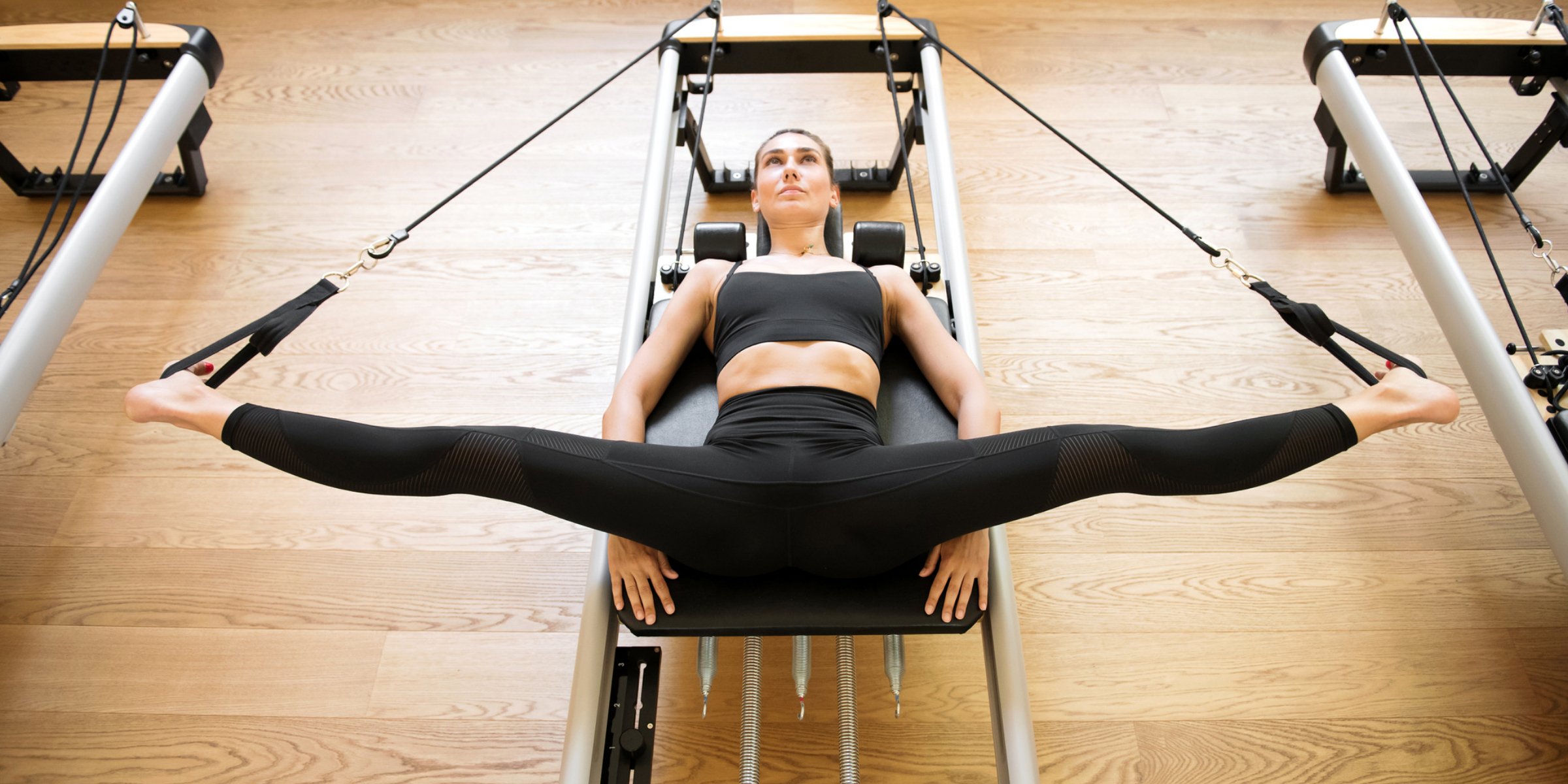
Not all Pilates is equal here. Avoid Power Pilates, jump board sessions, or anything using significant external resistance — these are training sessions in their own right and don’t serve a recovery purpose.
On an active rest day, stick to:
- Low-resistance or bodyweight-only exercises
- Fewer repetitions and shorter sets
- A pace that feels comfortable, not challenging
- Nothing that leaves you sore the next day
What if Pilates is your only exercise?
Joseph Pilates recommended practising at least four times a week for best results — he set this out in his book Return to Life Through Contrology. Nothing stops you practising daily, but you should vary your sessions and make some of them gentler than others.
If Pilates is all you’re doing, I’d also encourage you to add some cardio and strength work into your week. Pilates is excellent for what it does, but it works best as part of a broader movement practice. Personally, I’ve found boot camp classes a useful complement — they push me in ways Pilates alone doesn’t, particularly when it comes to building strength with external loads.
When in doubt, listen to your body
No rule overrides what your body is telling you. Sometimes a genuine rest — feet up, no exercise — is the right call. If you’re tired, run-down, or feeling the early signs of overtraining, rest is the better option. A gentle Pilates session is still exercise, and exercise still costs something.
The goal is sustainable progress over time. A rest day done well is part of that.
For the related question of practising twice in one day, see can you do Pilates twice a day. And if you are dealing with soreness between sessions, see what soreness after Pilates is normal.