If you’re in the US and trying to decide between Club Pilates and Bodyrok, the comparison is actually quite straightforward once you understand what each studio is doing. They have different philosophies, different atmospheres, and different target audiences — so the right choice mostly depends on what you’re looking for.
What each studio offers
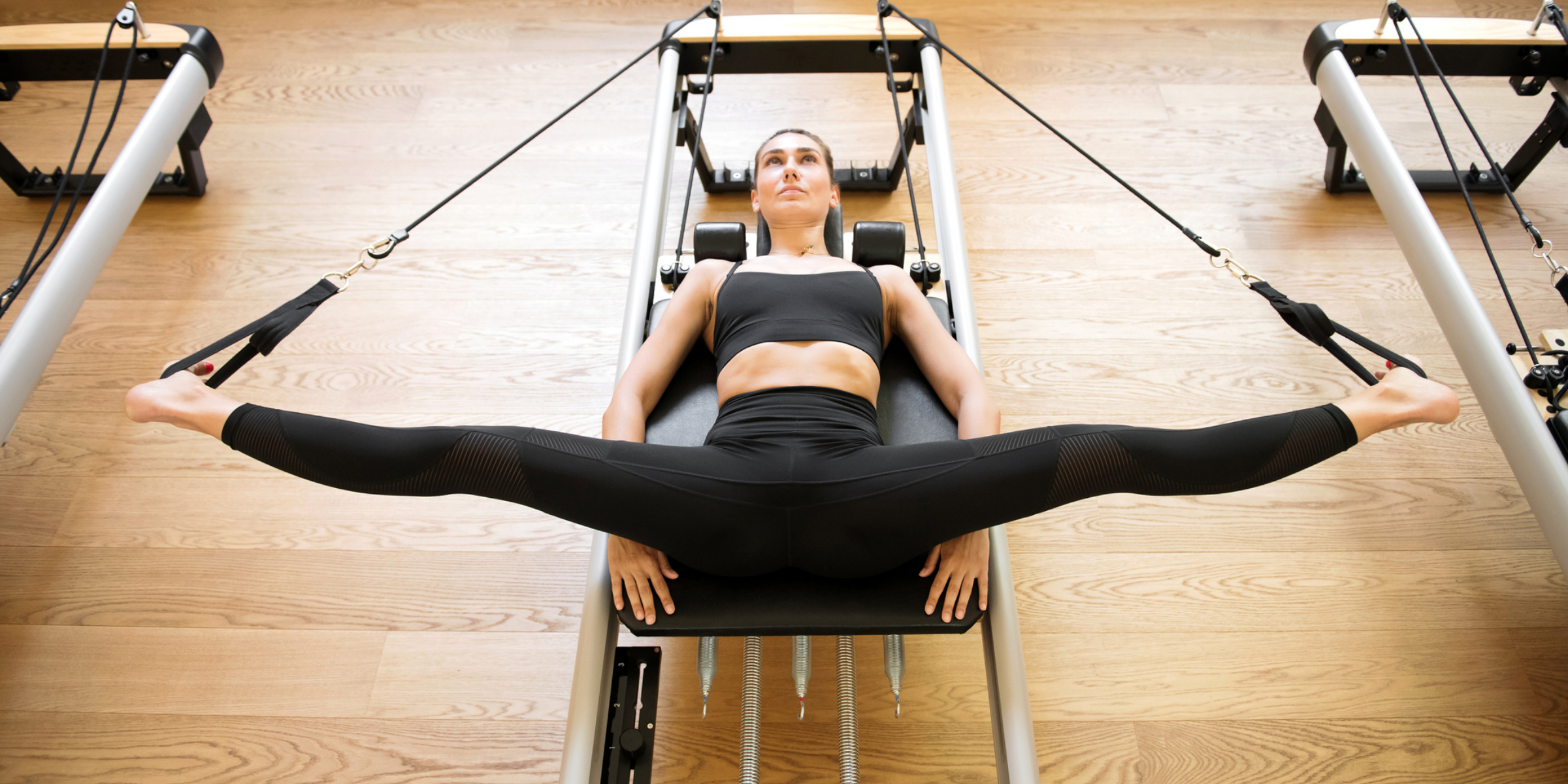
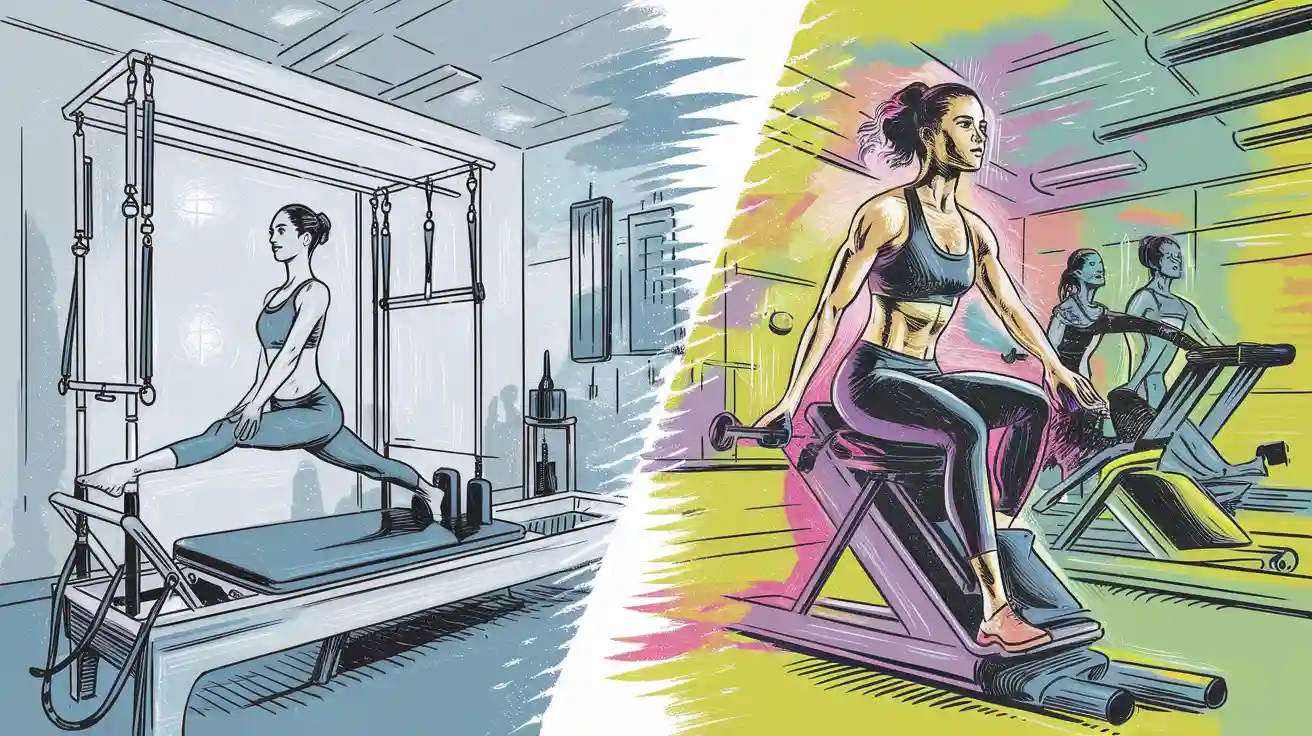
Club Pilates is a franchise founded in San Diego in 2007, built around traditional Reformer-based Pilates. It stays close to the original Contrology method while incorporating modern equipment including the Reformer, TRX springboard, and EXO-chair. Sessions are slower-paced, lower intensity, and designed to be accessible to all fitness levels including complete beginners. The environment is calm and the emphasis is on form, individual attention, and building a sustainable practice.
Bodyrok takes a hybrid approach. Their 45-minute sessions combine Pilates movements with strength training and cardio, using an exclusive Bodyrok Reformer with a jump board. The pace is faster, the music is upbeat, and the sessions are physically demanding. It’s designed for people who want a Pilates format but with more cardiovascular intensity than a traditional class provides.
Quick comparison
| Feature | Club Pilates | Bodyrok |
|---|---|---|
| Class pace | Slower, restorative | Fast-paced, high-intensity |
| Atmosphere | Calm and welcoming | Energetic, music-driven |
| Who it suits | All fitness levels, beginners welcome | Fitness enthusiasts wanting a challenge |
| Focus | Core strength, flexibility, mobility | Strength, cardio, calorie burn |
| Session length | Varies | Standard 45 minutes |
Cost
Both studios are in a similar price range, though it varies by location. Club Pilates offers tiered monthly memberships, typically from around $89 for a 4-class monthly pack to $199 for unlimited access. Bodyrok tends towards pay-per-class or packs, with single classes around $30–$35 and unlimited monthly memberships at approximately $200.
Both offer trial classes before you commit — definitely worth doing before signing up to anything.
Which is better for beginners?
Club Pilates is the more beginner-friendly option. The lower intensity, focus on form, and welcoming atmosphere make it far less overwhelming for someone new to Pilates. Many Club Pilates locations also offer a free 30-minute introductory class.
Bodyrok is technically open to beginners, but the high-intensity format can be discouraging before you have any familiarity with Pilates or the equipment. Most people who love Bodyrok already have some fitness baseline to work from.
Which is better for cardio fitness or weight loss?
Bodyrok, without much contest. The hybrid format combining strength and cardio in a 45-minute session burns significantly more calories and creates more cardiovascular demand than a traditional Pilates class. If you want Pilates to double as a calorie-burning workout, Bodyrok is built for that.
Club Pilates is better for core development, improved mobility, and the kind of deep stabilising strength that supports everything else you do. It’s not focused on calorie burn, and that’s not a criticism — it’s just what it’s designed for.
Which should you choose?
If you’re new to Pilates, recovering from an injury, or want something accessible and sustainable long-term — Club Pilates.
If you’re already reasonably fit and want a Pilates format that also gives you a cardiovascular challenge — Bodyrok.
Both offer trial options. If you’re genuinely undecided, try one session at each. The atmosphere alone will likely make the decision for you.