Power Pilates is a name that comes up a lot, especially once you’ve been doing regular Pilates for a while and are ready for something more demanding. The two practices share the same roots but feel quite different in practice.
Here’s how to tell them apart and which might be right for where you are right now.
What is Power Pilates?
Power Pilates is a contemporary form of Pilates that keeps the core principles of control, alignment, and breath but significantly increases the intensity. Movements are faster, exercises are more dynamic, and the overall demand on your strength and cardiovascular system is higher.
It’s not a separate discipline with a completely different method. Think of it as Pilates with the dial turned up. The foundation is the same; the pace and difficulty are not.
The main differences
Traditional Pilates is slow and deliberate. Each movement is performed with precision and control, with attention to breath, alignment, and muscle engagement throughout. It’s suitable for all levels, including beginners, people recovering from injury, and older adults.
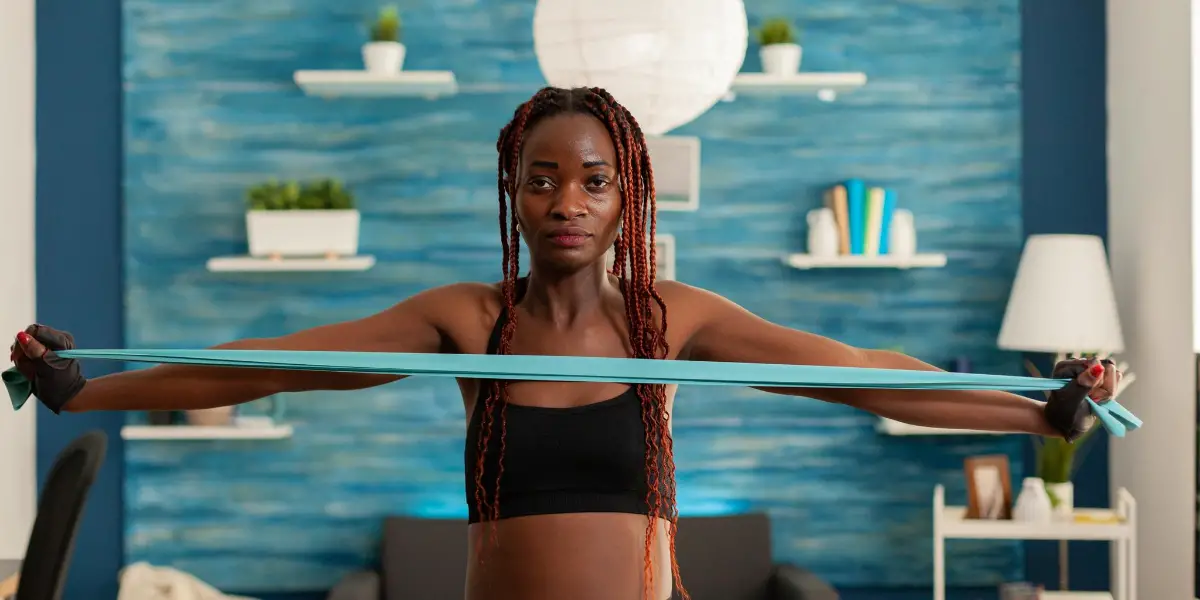
Power Pilates is faster-paced and more physically demanding. It typically incorporates more cardio elements, greater repetitions, and sometimes additional equipment like small hand weights, resistance bands, or weighted balls. It’s better suited to people who already understand the basics of Pilates and have a decent level of fitness to build from.
Equipment comparison
| Equipment | Pilates | Power Pilates |
|---|---|---|
| Mat | Yes | Yes |
| Reformer | Yes (common) | Less common |
| Resistance bands | Optional | Often used |
| Hand weights | Rarely | Sometimes |
| Weighted balls | Optional | Sometimes |
Who each is for
Traditional Pilates works for almost everyone. If you’re new to exercise, working around an injury, in your later years, or simply want a method that emphasises control and precision over intensity, classical Pilates is where you want to be.
Power Pilates is for people who have a solid Pilates foundation and want to push harder. I’d suggest having at least a few months of regular Pilates under your belt before trying a Power Pilates class. The movements assume you already know how to engage your core and maintain alignment under pressure.
Here’s a tutorial I put together to help people prepare for Power Pilates classes:
Benefits of each
Both practices will improve your core strength, posture, flexibility, and body awareness over time. The difference is in the additional challenge Power Pilates brings.
Regular Pilates is excellent for building a strong foundation, improving posture, rehabilitating injuries, and managing stress. It’s a practice you can maintain for life, adjusting the intensity as you need.
Power Pilates adds an endurance and cardiovascular element. If you find traditional Pilates sessions don’t raise your heart rate enough, or you want to incorporate more conditioning work alongside your movement practice, Power Pilates delivers that.
Can you do both?
Absolutely. Many people mix traditional and Power Pilates sessions depending on what they need on a given day. A longer, steadier classical session one day and a shorter, more intense Power session another works well as a combination.
If you want to see what a full Power Pilates session looks like, I recorded a 20-minute workout using small hand weights. No weights? Tins of food work perfectly. I covered this in my prop substitutions guide.