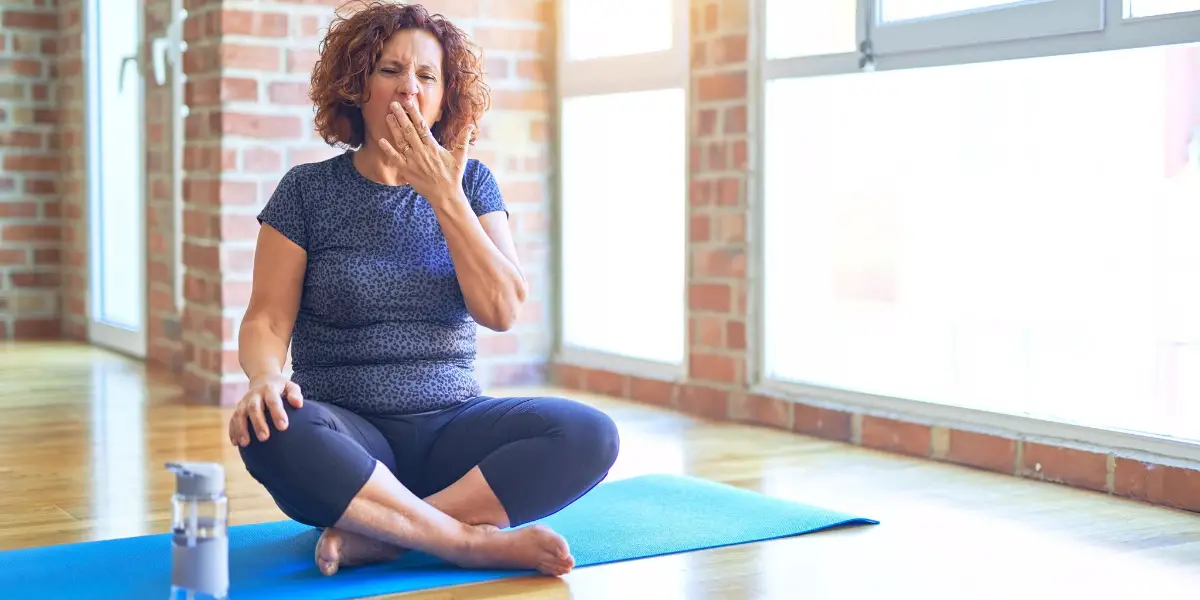
If you’ve finished a Pilates session and felt exhausted — properly tired in a way that surprised you — you’re not alone. It’s one of the most common things new students mention, and it makes complete sense once you understand what Pilates is actually doing to your body.
It’s not just your muscles — it’s all of them
Most forms of exercise target specific muscle groups. A run works your legs. A shoulder press works your arms. The soreness tends to show up in predictable places.
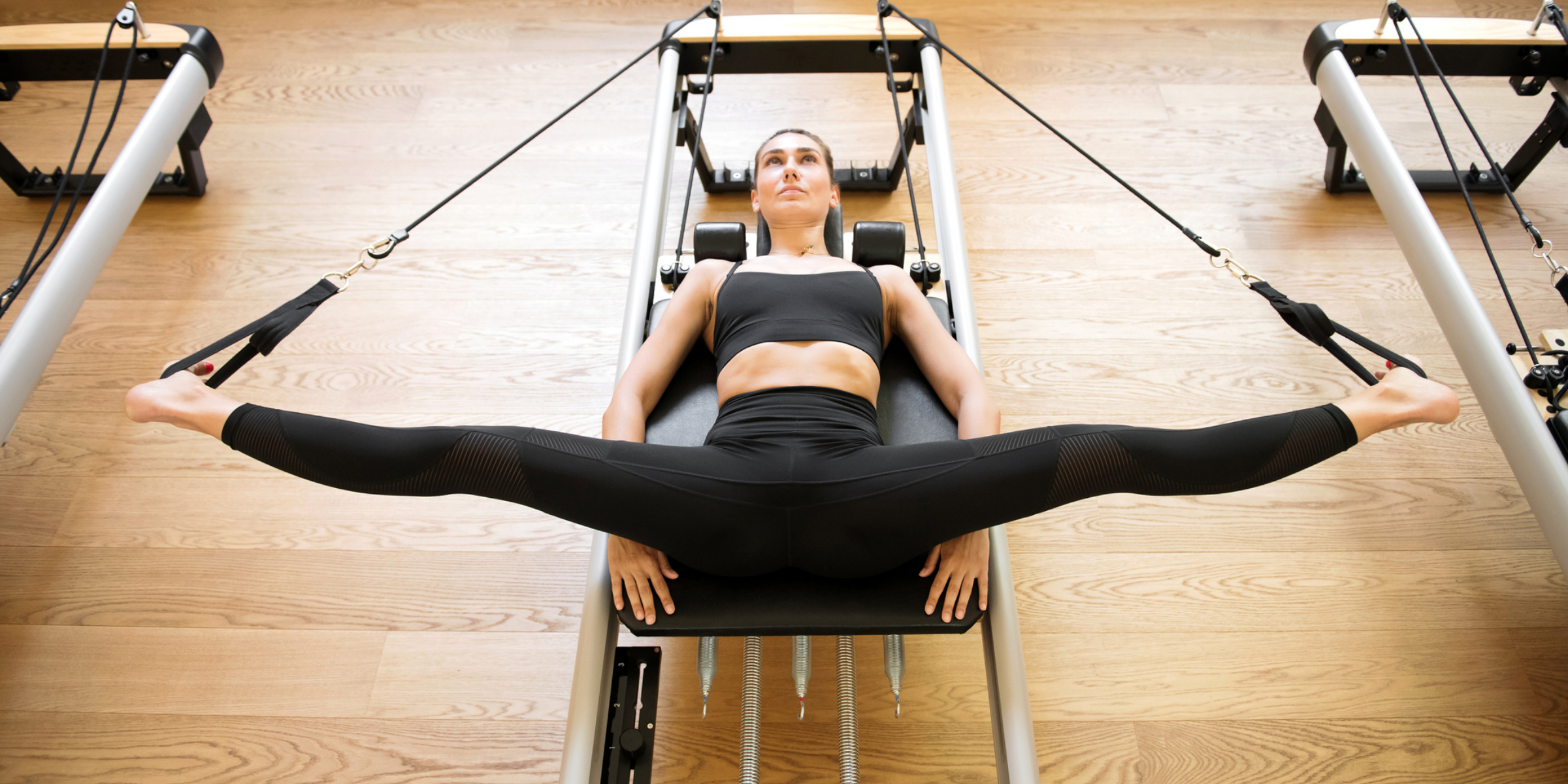
Pilates is different. A single session works your whole body — and crucially, it targets muscles you probably haven’t been training at all.
Those are the stabiliser muscles. The smaller, deeper muscles your body uses to protect joints and control movement — muscles around your shoulder blades, deep in your hip, along your spine. They do their job quietly in the background most of the time. A Pilates class brings them out into the open.
When you challenge muscles that aren’t used to being worked, they fatigue more quickly and take longer to recover. That’s why you might feel genuinely wiped out after a Pilates class even if it looked quite gentle from the outside.
Why you’re sore in unexpected places
You might notice soreness showing up in places that feel oddly unfamiliar — not your quads or your biceps, but somewhere around your ribs, or deep in your hip, or between your shoulder blades.
This isn’t just the muscles themselves. Research suggests that the connective tissue surrounding muscle — the deep fascia — is richly supplied with pain-sensitive nerve fibres, and that post-exercise soreness may originate in this tissue as much as in the muscle itself. A 2021 study published in the International Journal of Molecular Sciences found that the fascia displays an intimate structural relationship with the underlying skeletal muscle and may be just as involved in that “I’ve worked muscles I didn’t know I had” feeling. It helps explain why Pilates soreness can feel different from gym soreness — often deeper and more diffuse.
How long does the tiredness last?
The technical term for the soreness is delayed onset muscle soreness, or DOMS. It typically peaks between 24 and 72 hours after exercise and resolves on its own within 4 to 6 days. The first time you try Pilates, or when you come back after a break, expect it to be more noticeable. Your body hasn’t adapted yet.
The good news: it genuinely gets better with consistency. Once your stabiliser muscles get used to being challenged regularly, recovery gets quicker and the fatigue becomes less intense.
What actually helps
A few things worth doing after a tough Pilates session:
Keep moving. Light activity helps more than complete rest. A large 2018 meta-analysis of 99 studies found that active recovery was one of the most effective approaches for reducing post-exercise soreness and fatigue — more effective than simply sitting still. Even a gentle walk makes a difference.
Try foam rolling. Research shows foam rolling can reduce muscle tension and help speed up recovery after exercise. A 2025 study found it significantly reduced muscle tone and stiffness after exercise-induced soreness compared to passive rest. Five to ten minutes on the areas that feel tight is plenty.
Eat something with protein soon after your session. Your muscles need it to repair and rebuild.
Stay hydrated. Simple, but it matters more than most people realise.
When to pay attention
Normal post-Pilates soreness feels like tenderness and stiffness. It shouldn’t stop you moving around or going about your day. If you feel sharp pain during a session, or soreness that doesn’t ease within a week, that’s worth paying attention to. Speak to your instructor or a physiotherapist.
The honest truth
Feeling tired after Pilates isn’t a sign something went wrong. It’s usually a sign you’ve challenged muscles that needed challenging. Give yourself a day or two to recover, keep moving gently, and notice how much easier it gets over time.
That’s the progression. It’s worth it.