Pilates is one of my favourite things to recommend to clients who want to move better, feel stronger, and reduce pain — but it is not primarily a weight loss tool, and it is worth being honest about why.
If you are doing Pilates regularly and not losing weight, the most likely reason is that the calorie burn is not high enough to create a deficit on its own. Pilates also builds and tones muscle, and since muscle is denser than fat, gaining muscle can offset visible fat loss on the scales even when your body composition is genuinely improving.
How to lose weight with Pilates
The most effective approach combines Pilates with two other things: a balanced diet with sensible portions, and some cardiovascular exercise. Pilates is not designed for high calorie burn, so if weight loss is the goal, it works best as part of a broader routine rather than as the sole form of exercise.
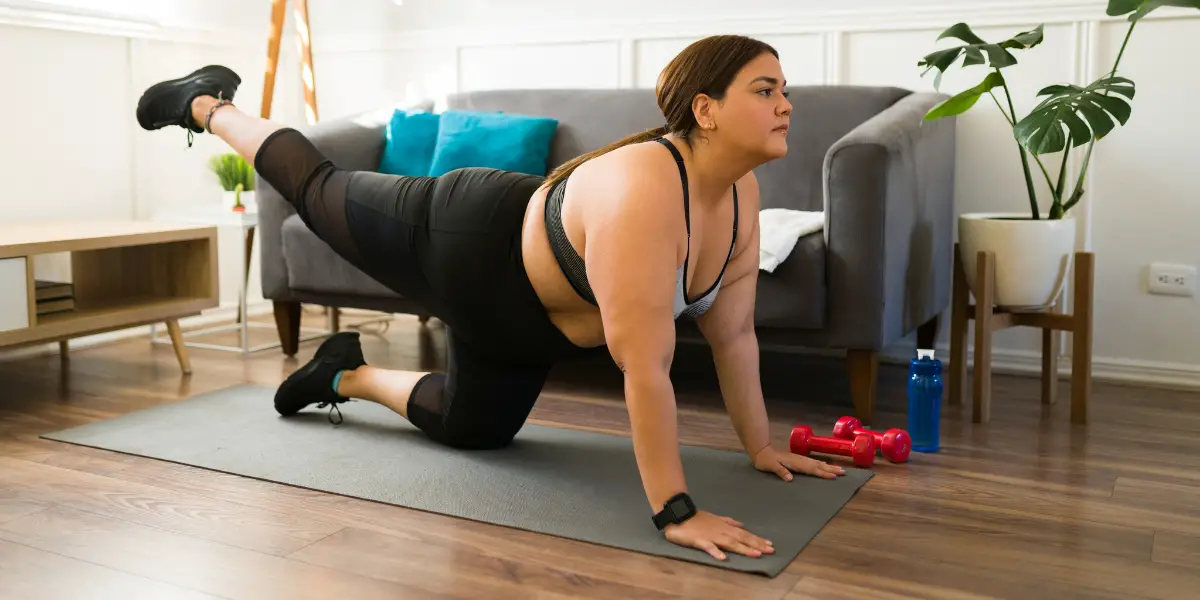
For a session that adds a bit more challenge and gets the heart rate up, give my Pilates with sliders workout a try:
Cardio exercise — running, walking, cycling, swimming — raises your heart rate and burns more calories than a typical mat session. Pairing it with Pilates gives you the strength, flexibility, and posture benefits of Pilates alongside the calorie burn of cardio. That combination tends to produce better results than either alone.
How weight loss actually works
Weight loss requires a calorie deficit — your body needs to burn more calories than it takes in. The two levers are eating less and moving more, and the most effective approach uses both. The good news is that your body burns calories constantly, even at rest, simply by keeping itself running. You do not need to work out for hours every day to see progress.
A word on dieting: research consistently shows that restrictive diets do not work long-term. They reduce calories while you are on them, but most people return to their previous eating habits when they stop, and the weight comes back. A more sustainable approach is making small, lasting changes — swapping a daily fizzy drink for water, having fruit instead of a biscuit in the afternoon, or reducing portion sizes gradually. These small shifts compound over time and tend to stick.
Benefits of Pilates beyond weight loss
Even if weight loss is not the primary outcome, the benefits of regular Pilates are real and significant.
Low impact and accessible. Pilates puts very little strain on the joints, which makes it suitable for a wide range of people — including those recovering from injury, older adults, and complete beginners. You can build genuine muscle strength without the pressure and impact of heavy weights.
Full body conditioning. Most Pilates exercises engage the core even when targeting the arms or legs. This whole-body approach builds functional strength that carries over into everyday movement.
Improved posture. A strong core supports proper spinal alignment, and that directly improves posture. Many of my clients with chronic back pain find significant relief after a few months of consistent Pilates for exactly this reason.
Pilates vs yoga
Pilates and yoga share some similarities — both emphasise breathwork, both involve controlled movement, and both build flexibility over time. But the goals differ. Yoga is primarily focused on mental and spiritual wellness, with physical benefits as a secondary outcome. Pilates is fundamentally about physical conditioning — building strength, stability, and controlled movement through repetition rather than held poses.
For a full comparison, see my article on what is better for beginners: yoga or Pilates?
Mat Pilates vs Reformer Pilates
Mat Pilates uses body weight and a mat. It develops the foundational alignment and control that underpin all Pilates work, and it is accessible to anyone because the only equipment required is a mat.
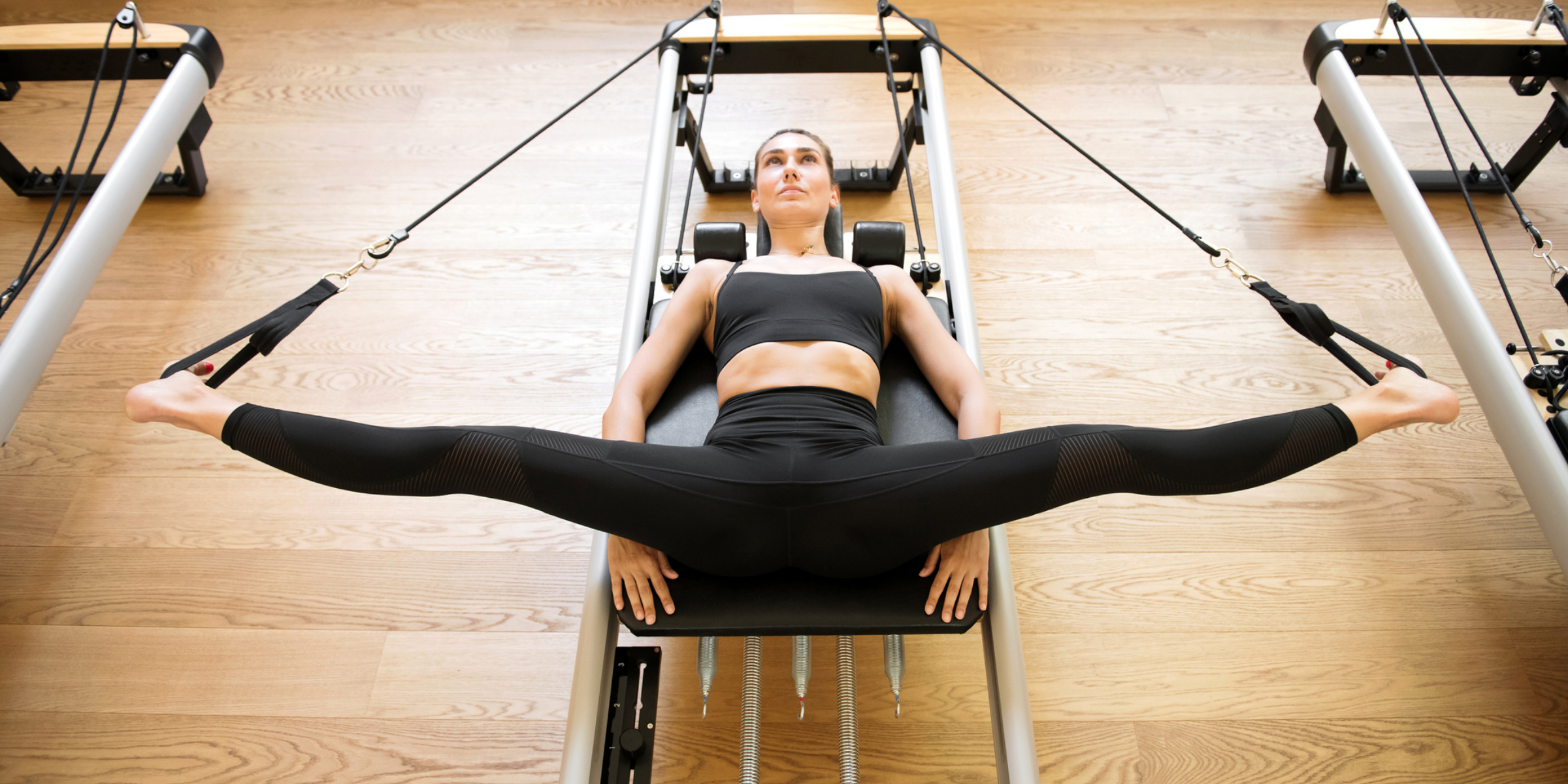
Reformer Pilates uses a spring-loaded carriage to add adjustable resistance. It offers more variety and support than mat work, which makes it particularly accessible to beginners and those working around injuries. For a full breakdown, see The Ultimate Guide to the Pilates Reformer.
Other reasons you may not be seeing progress
Not drinking enough water. Water accounts for roughly 60% of body weight and plays a role in metabolism, appetite regulation, and overall function. Replacing calorie-dense drinks with water is one of the simplest changes you can make.
Sedentary lifestyle outside of class. Exercise sessions matter, but so does general daily movement. If your work involves long periods of sitting, look for small ways to add movement: walking during calls, taking the stairs, getting up regularly throughout the day.
Eating more because you are exercising. Exercise increases appetite — that is normal and expected. The problem arises when the extra food consumed outweighs the extra calories burned. Keeping portion sizes sensible, even after a workout, makes a meaningful difference.
Emotional or mindless eating. Eating in response to stress, boredom, or distraction rather than genuine hunger is one of the most common contributors to weight gain. Keeping healthy snacks to hand helps, as does pausing for a glass of water before reaching for food — thirst and hunger signals can feel similar.
Medical factors. If you have tried all of the above consistently and still are not seeing progress, it is worth speaking to your GP. Thyroid issues, certain medications, and other medical factors can genuinely affect weight loss. A doctor can help identify whether something like that is at play and advise accordingly.