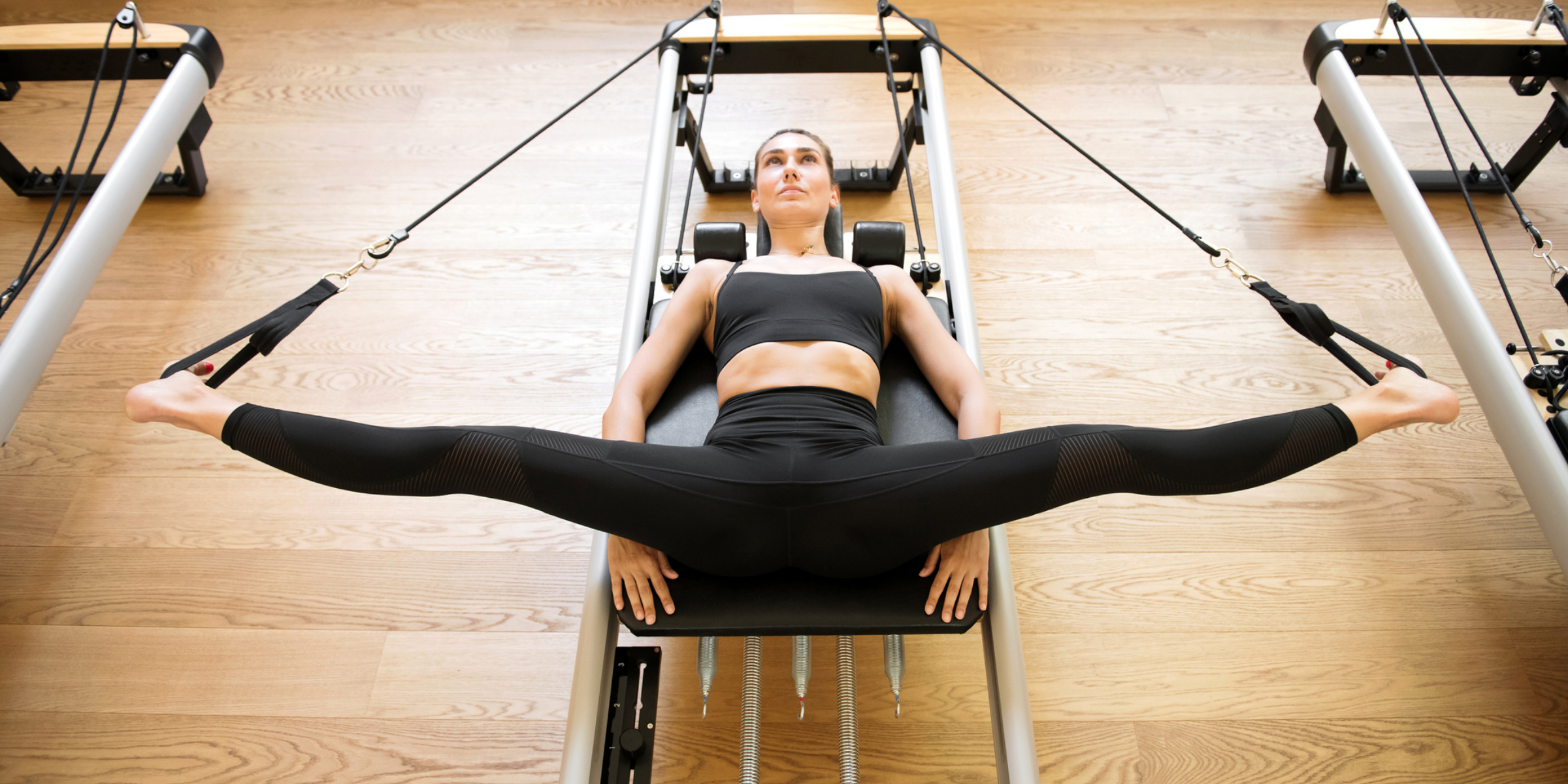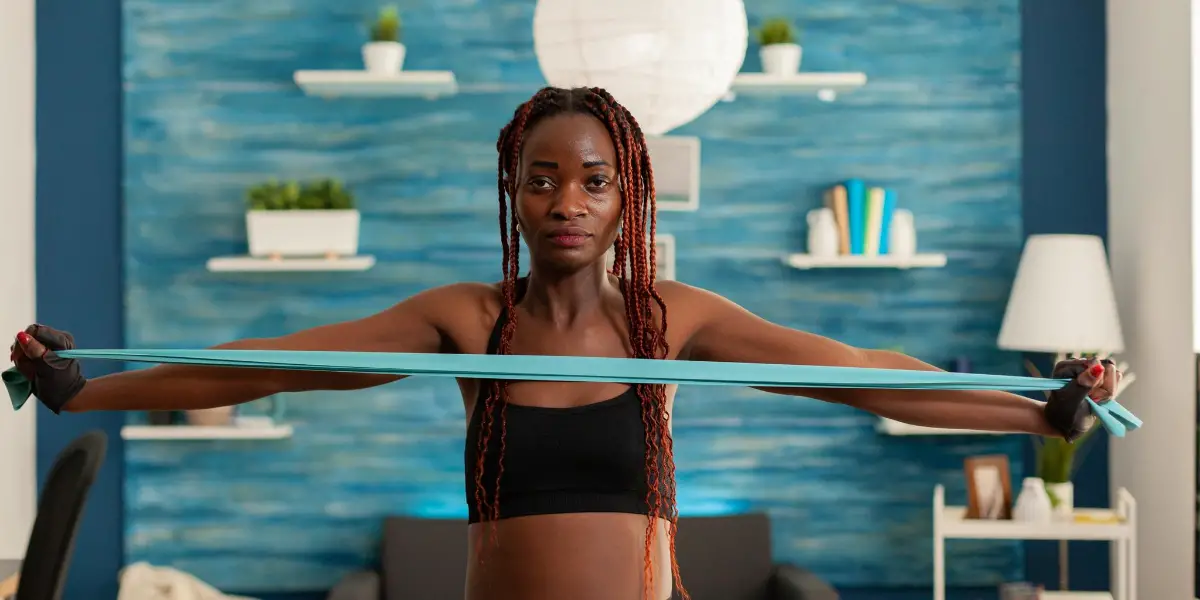
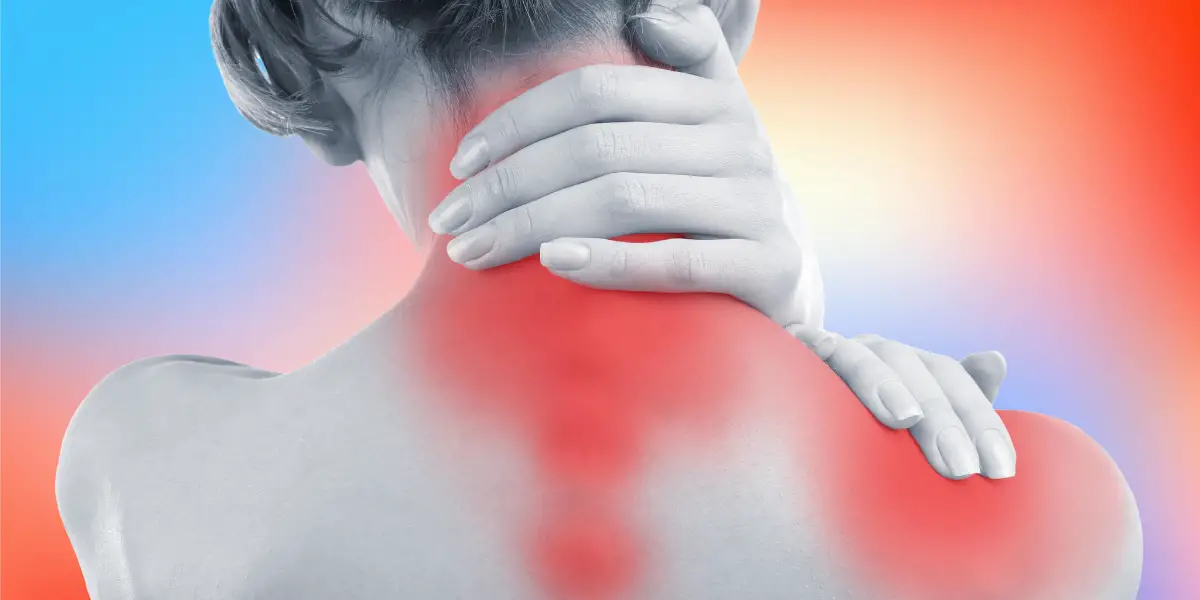
After years of teaching Pilates, the question I get asked more than almost any other is some version of: “I felt fine after class — why am I so sore today?” The answer is DOMS, and it means you worked.
What’s causing the soreness
Soreness after Pilates is normal and expected, especially when you’re new to it or when you push your practice harder than usual. The cause is Delayed-Onset Muscle Soreness (DOMS) — microscopic damage to muscle fibres during exercise that triggers a repair response. As the fibres heal, they come back stronger.
The “delayed” part is important: you usually feel fine immediately after a session, and the soreness arrives 24–48 hours later. A morning class might leave you comfortable for the rest of the day, but stiff and achy when you wake up the next morning. That’s DOMS doing its job.
Good soreness vs bad soreness
Good soreness is the dull ache and stiffness that arrives a day or two after working muscles hard. It’s uncomfortable but manageable, and it fades within 48–72 hours as the tissue repairs. It’s the feeling you get in exactly the muscles you worked, and it’s a reliable sign that those muscles were genuinely challenged.
Bad soreness is sharp, acute pain — either during exercise or immediately after. That’s not DOMS; it’s an injury signal. If something hurts sharply, stop and rest. DOMS doesn’t feel like injury pain; the two are quite different once you know what to expect.
I had a client who trains with me for Pilates and also does a boot camp class. She did a particularly heavy squat session one week and spent the following day struggling to get up and down the stairs. Classic DOMS. She was fine two days later.
What if you don’t feel sore?
Not feeling sore after a session doesn’t mean it wasn’t effective — but it’s worth understanding why. If you’re an experienced practitioner, your body has adapted and recovers more efficiently. If you’re new and feel nothing at all, your session may not have been challenging enough to stimulate adaptation. Either way, tiredness on the day of training is normal; soreness the next day is the repair process.
Can you do Pilates when you’re sore?
Yes — with adjustments. The key is not to hammer the muscles that are already recovering. If your core and abdominals are sore, switch the focus to a session that works your arms or legs. If your upper body is sore, do a lower-body routine. I do this myself when I’ve taught multiple back-to-back classes and can feel it in specific areas — I shift the focus elsewhere and let the sore muscles rest.
If you’re sore all over, a gentle walk or very light movement is better than a full session. Pilates is not the right choice when your whole body needs recovery time.
How to relieve soreness
Heat helps promote blood flow to the affected area. A warm bath or a hot water bottle on sore muscles can ease the discomfort noticeably.
Cold helps with any acute swelling or inflammation. Ice packs or cold compresses work well in the first day after a heavy session.
Massage — whether from a therapist or self-applied — helps release built-up tension in the fascia and muscles.
Foam rolling is one of the most effective self-care tools for sore muscles. Done slowly and deliberately, it releases tension and improves circulation in the affected tissue:
Drink plenty of water and eat well. Recovery is a physical process that requires fuel, and both sleep and nutrition affect how quickly your muscles repair.
When to be concerned
DOMS should resolve within 48–72 hours. If soreness persists beyond that, gets worse rather than better, or feels more like acute pain than general aching, stop training that area and consult a healthcare professional. Normal soreness improves with gentle movement; injury pain doesn’t.
Related posts: can you do Pilates on rest days covers whether to train through soreness, and can you do Pilates twice a day addresses training frequency.