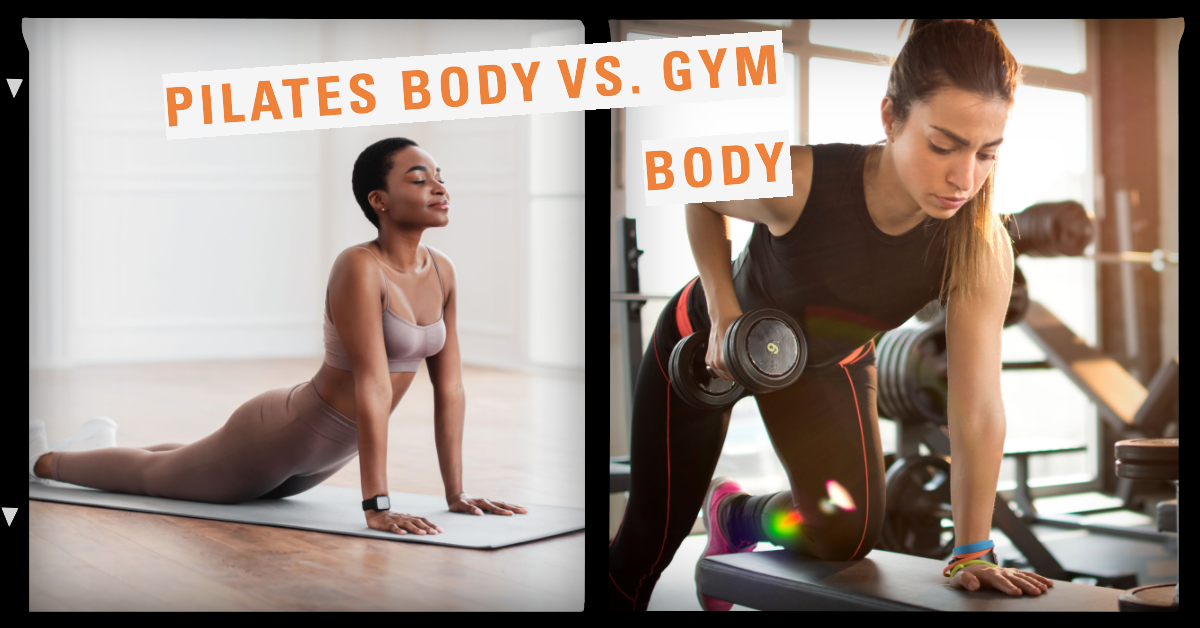
People often ask whether Pilates or the gym will give them better results — and the honest answer is that they produce genuinely different results. Neither is better in absolute terms; they’re built for different things.
What a Pilates body looks like
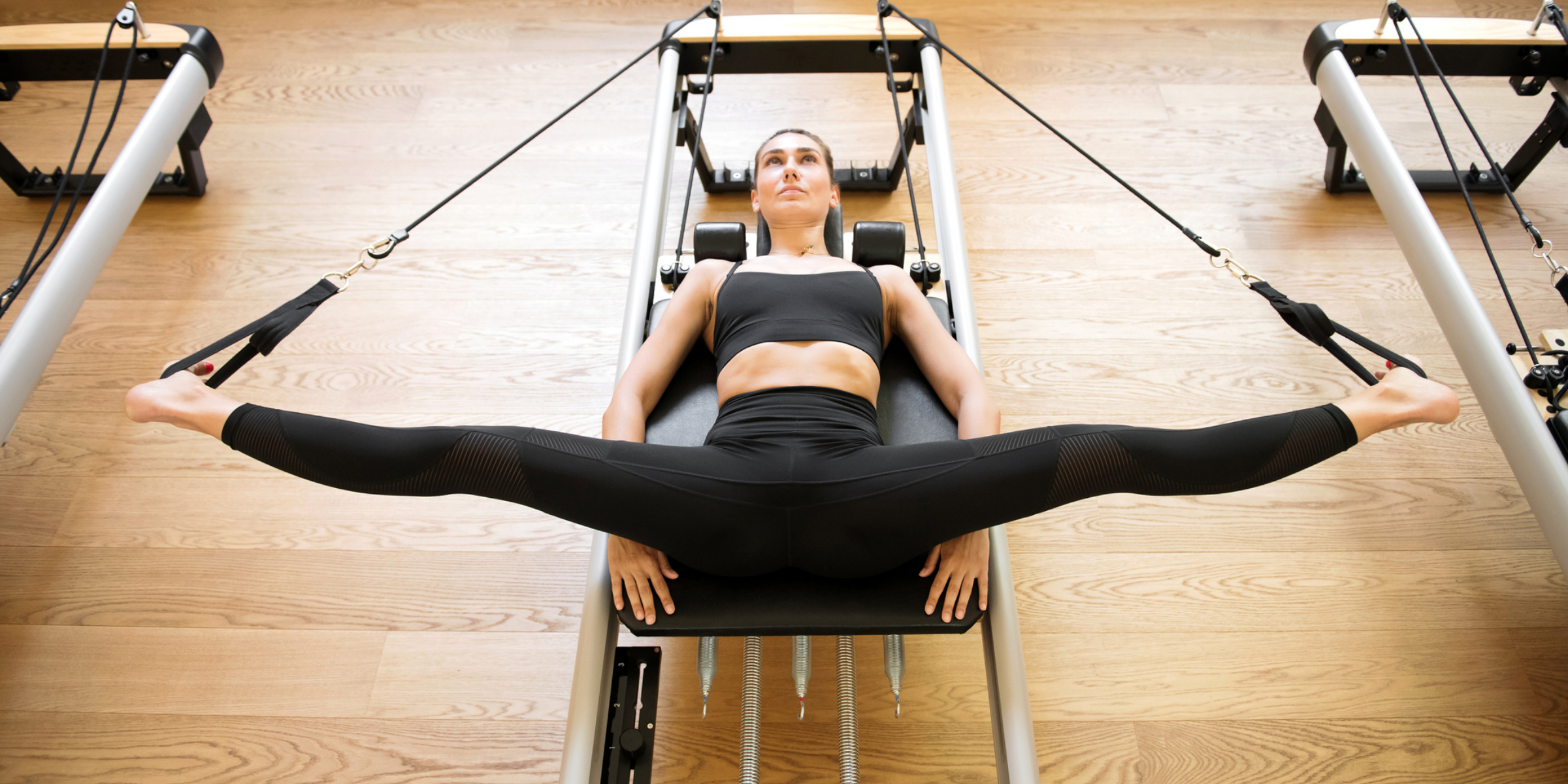
Regular Pilates practice tends to produce a lean, toned physique with good posture and visible core definition. The muscles develop in length rather than bulk, which is why long-term practitioners often have a fluid, upright quality to how they carry themselves.
This comes from how Pilates works: controlled movements using bodyweight (and sometimes light resistance), full range of motion, constant core engagement, and an emphasis on alignment and breathing. The result is functional strength — muscles that are strong, flexible, and well-coordinated — rather than the kind of hypertrophy you’d get from heavy lifting.
It’s also worth noting that Pilates builds muscular endurance more than explosive power. You’ll feel stronger, move better, and have less chronic back and joint pain. You’re unlikely to add significant mass.
What a gym body looks like
Gym training — particularly weight training and strength programming — builds muscle mass and increases overall strength more directly than Pilates. The focus is on progressive overload: lifting heavier over time, which triggers hypertrophy (muscle growth). The result is a firmer, more visibly muscular physique.
Gym workouts also burn more calories per session and, combined with cardio, are more effective for rapid weight loss or significant body composition changes. The trade-off is that heavy lifting can reduce flexibility if it’s not balanced with mobility work, and the high-impact nature of some gym sessions is harder on joints over time.
The key differences at a glance
| Pilates | Gym training | |
|---|---|---|
| Muscle type developed | Long, lean, endurance-focused | Bulkier, strength-focused |
| Core focus | Central to every exercise | Variable — depends on programme |
| Flexibility | Built in | Often neglected |
| Impact on joints | Low impact | Higher impact, especially cardio |
| Speed of visible results | Slower, more gradual | Faster for muscle mass and weight loss |
| Mental focus required | High — mindful movement throughout | Variable |
Do you have to choose?
No — and combining them is genuinely effective. Pilates builds the core stability and body awareness that makes gym training safer and more efficient. Weight training builds the external strength that Pilates alone doesn’t fully develop. Many people find their gym performance improves when they add Pilates, and their Pilates deepens when they have more underlying strength.
If you’re trying to decide where to start: if your goal is a lean, functional body with good posture and fewer aches, Pilates is an excellent choice. If you want to build significant muscle mass or lose weight quickly, gym training will get you there faster. If you want both — do both.