One of the things I hear most often from people starting a home practice is “I don’t have the right equipment.” The good news: you probably don’t need it.
Almost every piece of Pilates equipment has a household substitute that works perfectly well for most exercises. Here’s a practical guide to what you can use instead.
Mat substitutions
A Pilates mat is thicker than a standard yoga mat, designed to cushion your spine during rolling exercises and floor work. If you don’t have one, try:
A folded bath towel. Fold it in half or thirds depending on how much cushioning you need. Works well for most mat exercises and travels easily.
A thick blanket. Provides more padding than a towel and is useful for exercises where you need to roll. Make sure it’s on a non-slip surface.
Carpet. If your floor is carpeted, that already provides grip and cushioning. Put a thin towel down for exercises where skin contact might be uncomfortable. (I’ve written a separate piece on whether Pilates on carpet is safe if you want the full picture.)
Magic circle (Pilates ring) substitutions
The magic circle adds resistance to arm and inner thigh exercises. You can replace it with:
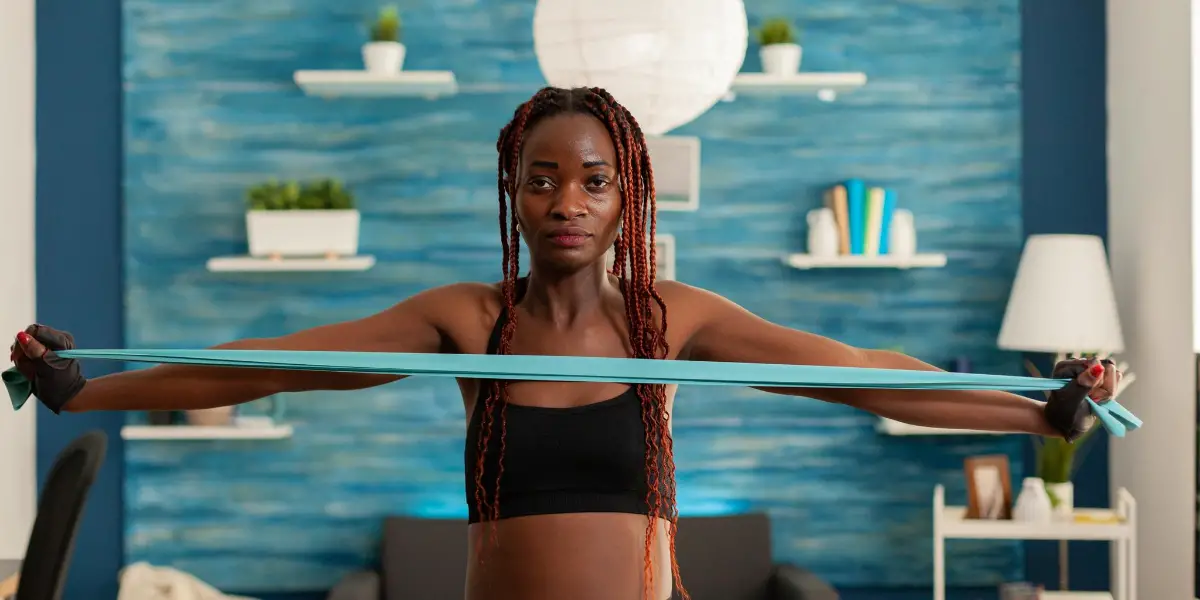
A resistance band or tube. Loop it around your thighs, ankles, or wrists depending on the exercise. Different resistance levels are available, so choose one that feels challenging but still allows full range of motion.
A small pillow squeezed between your knees. Not identical to the circle, but effective for the basic adductor squeeze exercises that make up a good chunk of magic circle work.
Pilates ball substitutions
The small Pilates ball (usually around 25cm) adds instability and helps activate deep stabilising muscles. If you don’t have one:
A small pillow or rolled-up towel placed under the lower back or between the knees works well for many exercises.
A beach ball inflated to a similar size gives comparable instability. Slightly less predictable than a proper ball, but it does the job.
Dumbbell substitutions
For exercises that use small hand weights, you have plenty of options already in your kitchen:
Water bottles. A standard 500ml bottle weighs about 500g full. A litre bottle is around 1kg. Good for the arm series and light upper body work.
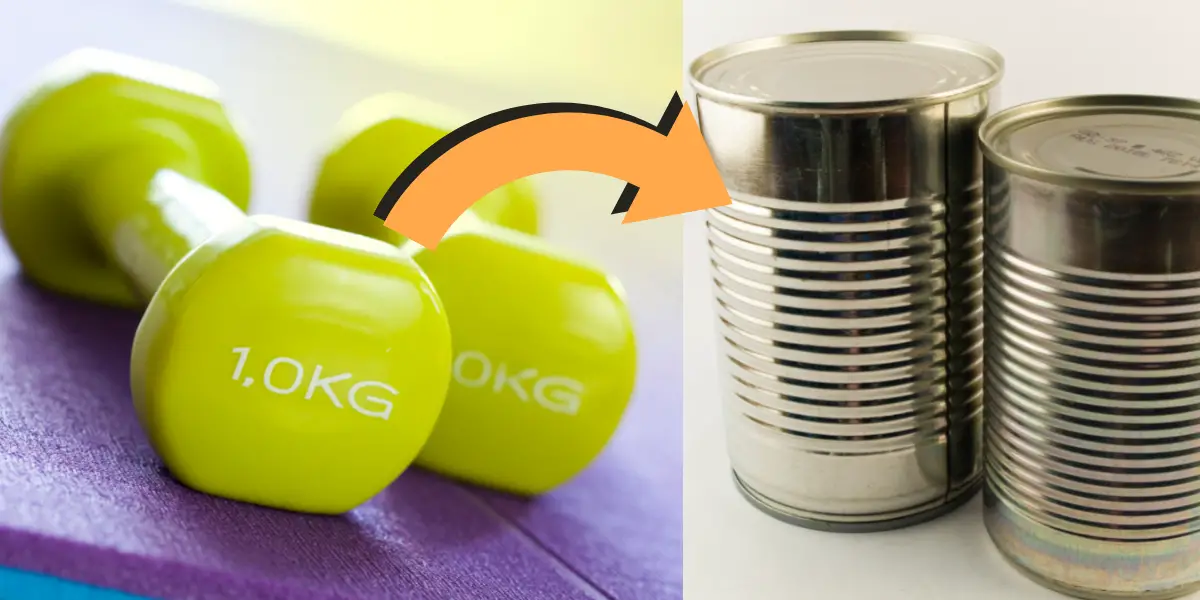
Tins of food. Soup or bean tins are similar weight to small hand weights and easier to grip than round bottles. This is genuinely what I tell clients to use when they’re travelling or just getting started.
Foam roller substitutions
The foam roller is used for self-myofascial release, mobility work, and as a prop in certain exercises. Alternatives include:
A tightly rolled towel or blanket. Good for thoracic spine work and gentle back extension over the roller.
A tennis ball. More targeted than a foam roller. Roll it under your feet, along your calves, or against the wall on your upper back to work out tight areas.
Chair Pilates
A sturdy chair is one of the most versatile props you can use. It provides support for standing balance work, allows modifications for different fitness levels, and opens up a whole range of seated and standing movements. This is particularly useful if you’re working with limited mobility or are returning to exercise after a break.
Wall Pilates
The wall is equally useful. Wall squats, standing footwork, and supported balance exercises are Pilates classics that require nothing more than a clear bit of wall. The wall also makes an excellent prop for hip mobility work.
A note on getting started
You don’t need to replicate a Pilates studio at home to get a good workout. A mat (or a towel), a resistance band, and a clear space are genuinely enough to build a strong practice.
Start with what you have. Add equipment gradually once you know what you actually use regularly. Most people find they need far less than they expected.