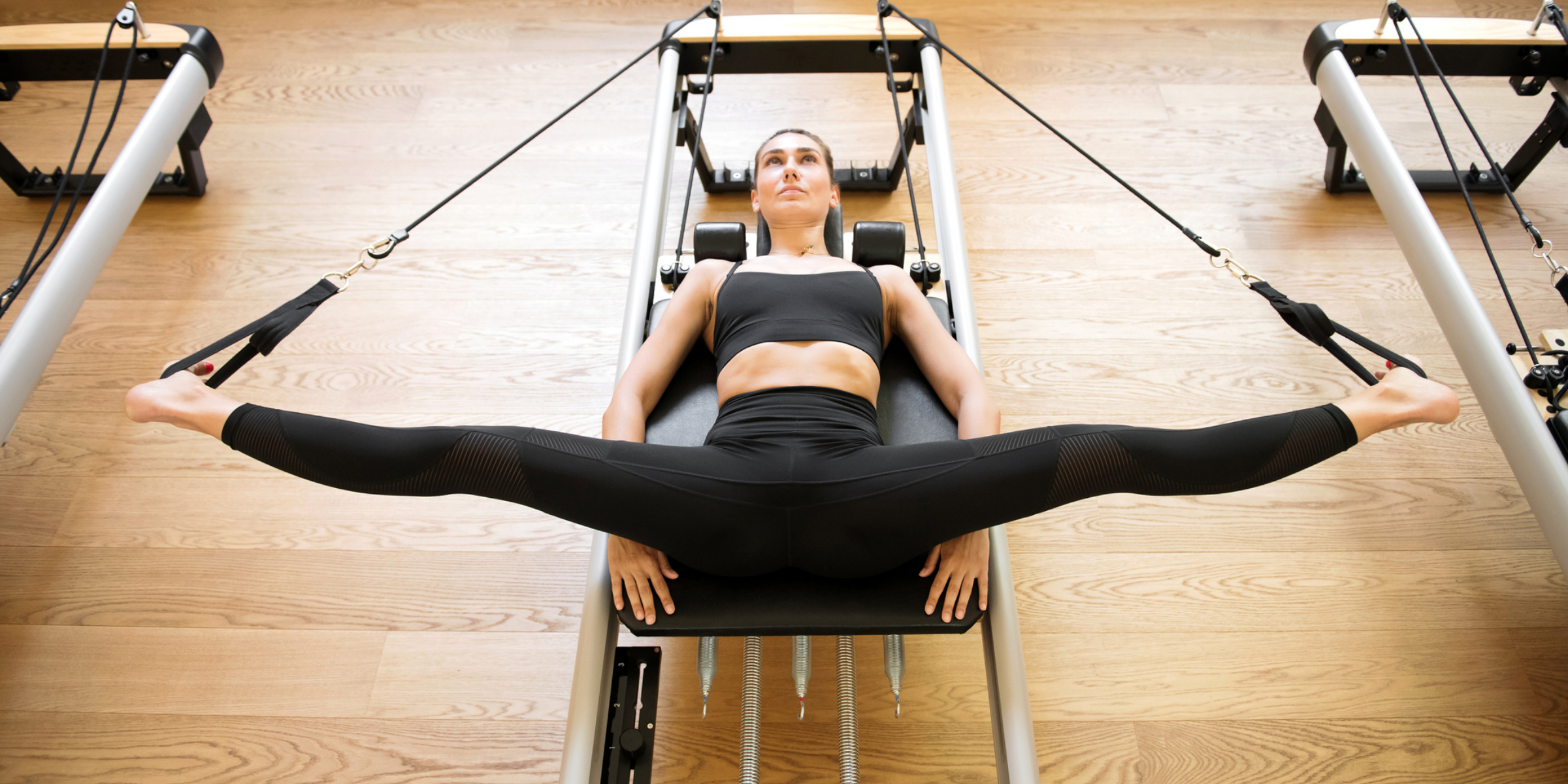
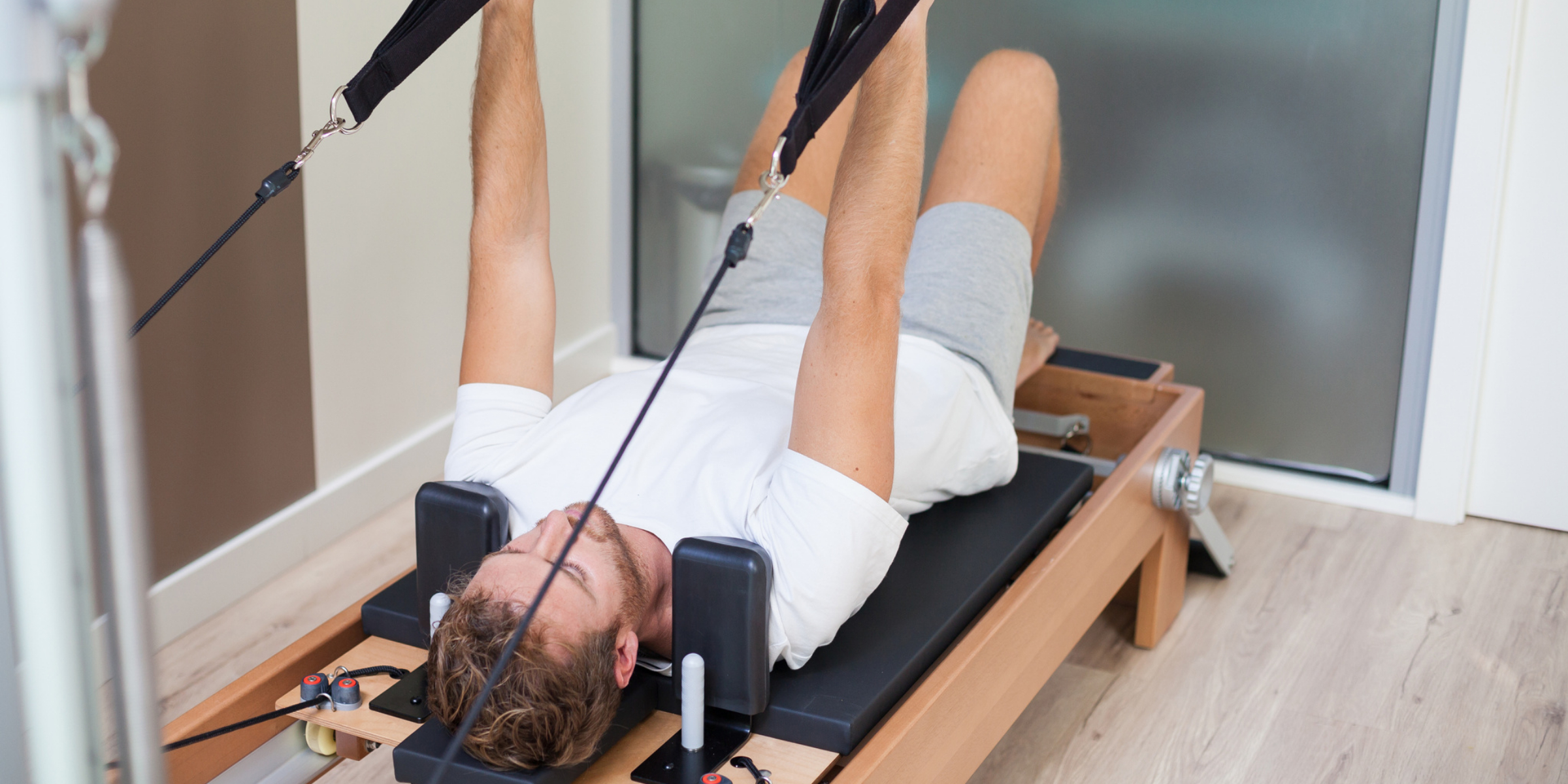
A foldable Pilates reformer does what a standard reformer does — sliding carriage, spring resistance, footbar, ropes — but folds down to a fraction of the footprint when not in use. For anyone who wants the benefits of reformer Pilates at home without committing a permanent room to it, a foldable model is worth considering seriously.
What to expect from a foldable reformer
The core workout experience on a good foldable reformer is comparable to a standard home reformer. The spring resistance, carriage travel, and range of exercises are largely the same. Where foldable models make compromises is typically in carriage width (often slightly narrower), the number of spring configurations available, and overall weight capacity.
For home use at a beginner to intermediate level, these compromises are generally not significant. For advanced practitioners or those with rehabilitation needs that require precise spring calibration, a full studio or commercial reformer is still the better choice.
Storing a foldable reformer in a small space
Identify a spot where you can fully extend the reformer during use — you need the length of the machine plus a comfortable margin at each end. When folded, most models are slim enough to slide under a bed or stand upright against a wall or inside a wardrobe.
Some models come with wheels or can be placed on a rolling platform, which makes it much easier to pull out before a session and put away afterwards. If you are buying specifically for small-space storage, check the folded dimensions of the model before purchasing — they vary considerably between brands.
Keep a small bag or basket near the storage spot for accessories like springs, straps, and a mat, so setup takes less than five minutes from decision to practice.
What to look for when buying
Established brands like AeroPilates, Align-Pilates, and Stott Pilates all produce foldable or compact reformers designed for home use. These are worth prioritising over cheaper unbranded alternatives, as the quality of the springs, the smoothness of the carriage, and the durability of the rails make a real difference to how the machine feels in use.
Key things to check before buying: weight capacity (make sure it comfortably exceeds your body weight), number of spring resistance levels, whether the footbar adjusts to multiple positions, the carriage travel length (longer is more versatile), and whether replacement springs and straps are available from the manufacturer. A machine that cannot be serviced or have worn parts replaced is not a long-term investment.
Read recent user reviews paying attention to carriage smoothness and any noise the machine produces — these are the most common points of dissatisfaction with cheaper models and the most impactful on the experience of using it daily.
Is a foldable reformer worth it?
If you are already practising reformer Pilates in a studio and want to supplement that with home sessions, a foldable reformer offers genuine value. You maintain the practice between studio visits, and the convenience of not commuting to a class means you are more likely to use it consistently.
If you have never used a reformer before, it is better to spend some time in a studio first to learn the basics. A foldable reformer at home without any prior instruction is hard to use effectively and easy to use incorrectly.
For a broader look at what reformer Pilates involves, see my post on the pros and cons of the Pilates reformer. For help comparing specific full-size models, see my guide to choosing a Pilates reformer.