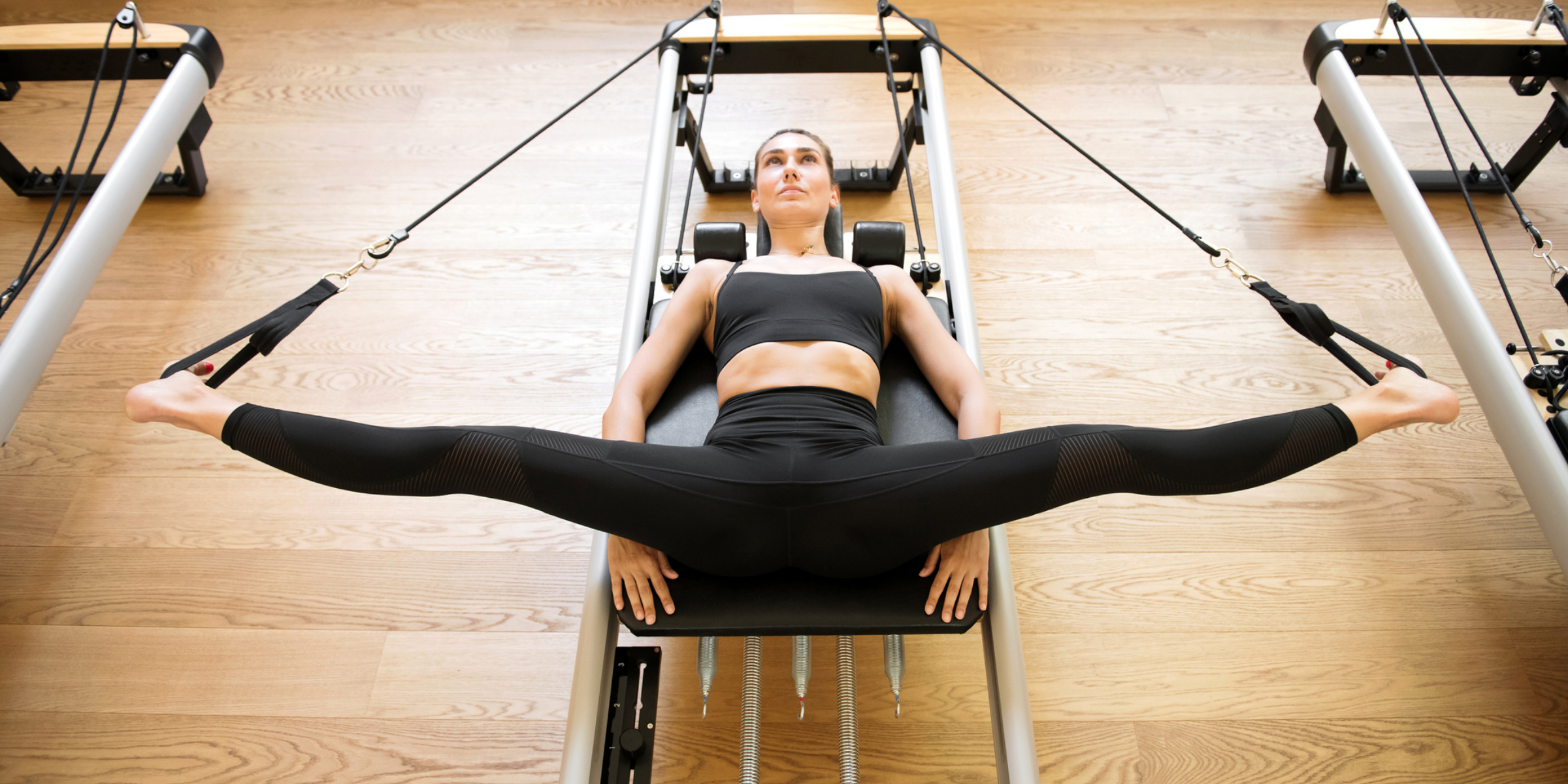
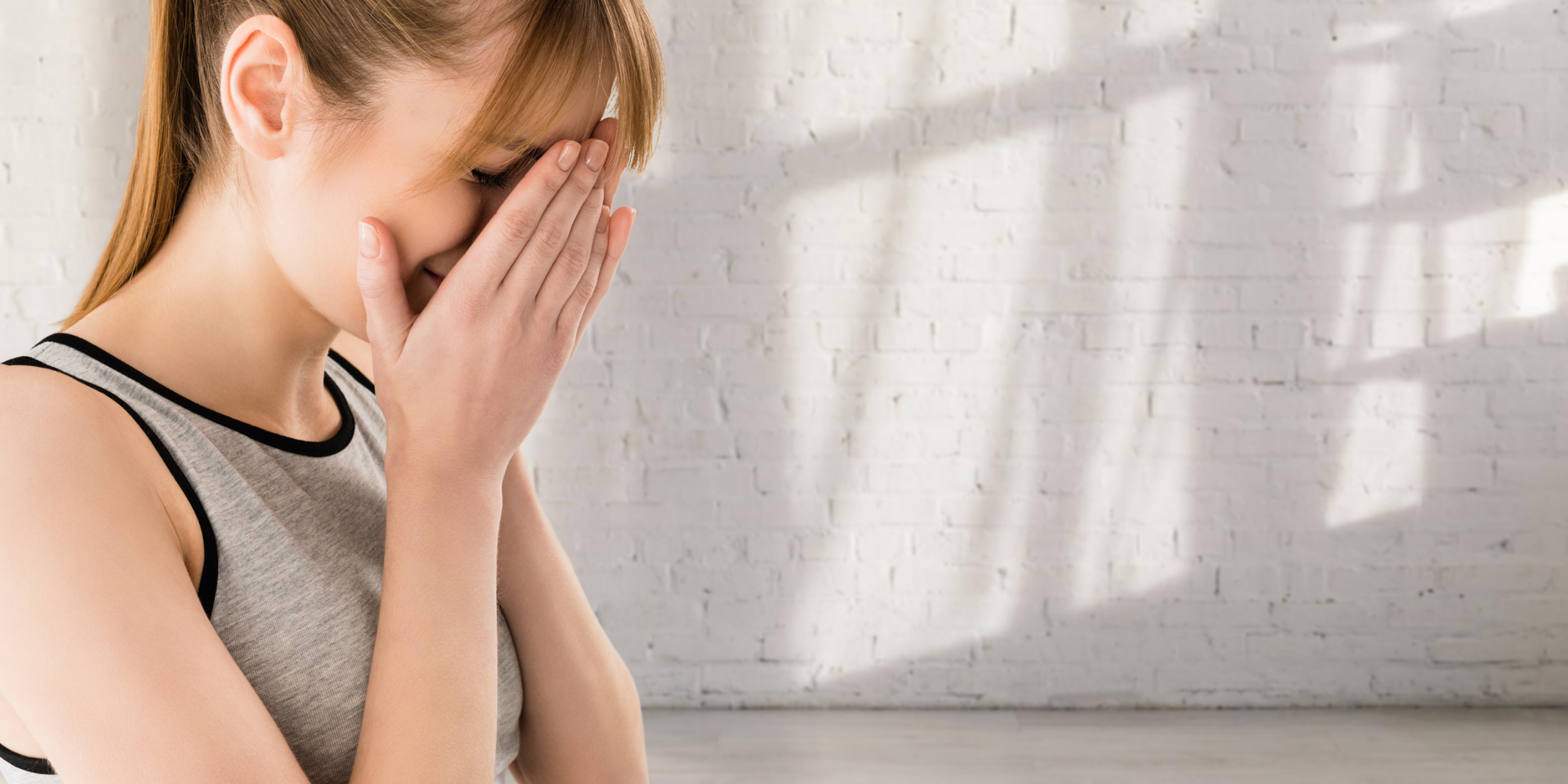
It happens more often than people let on. You finish a Pilates session and find yourself unexpectedly emotional. Sometimes it’s tears, sometimes it’s just an overwhelming feeling you weren’t anticipating. If this has happened to you, you’re not alone, and there are real reasons for it.
What’s happening in your body
Exercise triggers the release of endorphins and endocannabinoids. These are natural compounds your body produces in response to physical activity, associated with pain relief, reduced anxiety, and feelings of calm or even euphoria after a workout. Research into the neurobiological effects of exercise shows that these compounds play a significant role in mood regulation, and that their release during exercise is a key reason why movement has such a pronounced effect on emotional wellbeing [Chen et al., 2023].
The deep breathing in Pilates amplifies this. Controlled breathwork activates the parasympathetic nervous system, sometimes described as the rest-and-digest response. This creates a kind of opening up in the body where emotions that have been sitting below the surface can come through more easily.
The mind-body connection in Pilates specifically
Unlike a run or a gym session where you might zone out, Pilates asks you to pay close attention to your body throughout. Every movement involves internal focus: where your breath is going, what your pelvis is doing, whether your shoulders have crept up. That level of attention can bring you into contact with emotions you’ve been carrying without realising it.
Research has shown that regular exercise functions as a buffer against emotional difficulties, helping people recover more effectively from stress and process difficult feelings more readily [Bernstein et al., 2018]. In Pilates, the mindfulness built into the practice makes this effect more pronounced than in less attentive forms of exercise.
Crying can actually be helpful
If you do find yourself in tears, there’s some interesting research behind why that might feel relieving rather than distressing. Studies looking at the physiology of crying found that it appears to help maintain a kind of biological stability, including regulation of heart rate and support of the body’s stress response [Sharman et al., 2020].
In other words, crying after exercise may not be a sign that something is wrong. It may be your nervous system doing exactly what it should.
Where tension gets stored
Pilates works through the whole body, including areas where people habitually hold tension without realising it: the hip flexors, the jaw, the shoulders, the ribcage. When those areas open up through movement and breath, whatever has been stored there sometimes comes with it.
This is particularly common with hip-opening work. Many people find that deep hip exercises release something unexpected. It’s not mystical. It’s the physical reality of where the body carries stress, and movement gives it somewhere to go.
What to do when it happens
Let it happen. There’s no need to rush to compose yourself or feel embarrassed. If you’re in a class, you don’t need to explain yourself. Most instructors have seen it many times. I’ve had clients cry in sessions, and my response is always the same: take a breath, take your time, carry on when you’re ready.
After the session, do something grounding. A glass of water, a short walk, or sitting quietly for a few minutes all help. If the emotional release feels significant, or you’re finding yourself upset regularly after exercise, it’s worth talking to someone you trust about what’s coming up.
Pilates puts you in close contact with your body. That’s part of what makes it effective. Sometimes that contact surfaces things. It’s usually a sign the practice is working, not that something is wrong.
If you’re also finding sessions particularly tiring, it’s worth reading about why Pilates can leave you feeling exhausted. What happens physically and emotionally in a session is often closely connected.