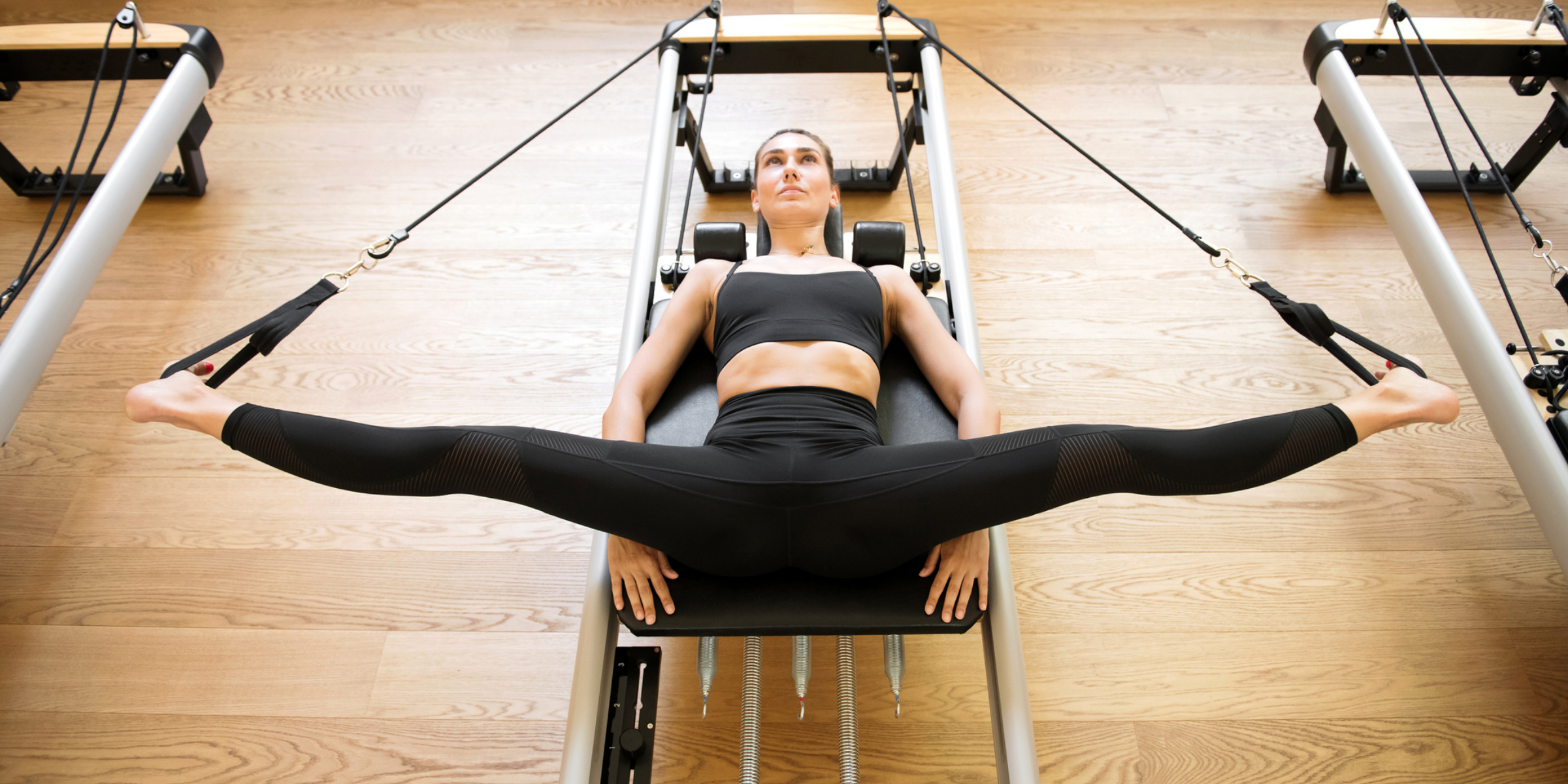
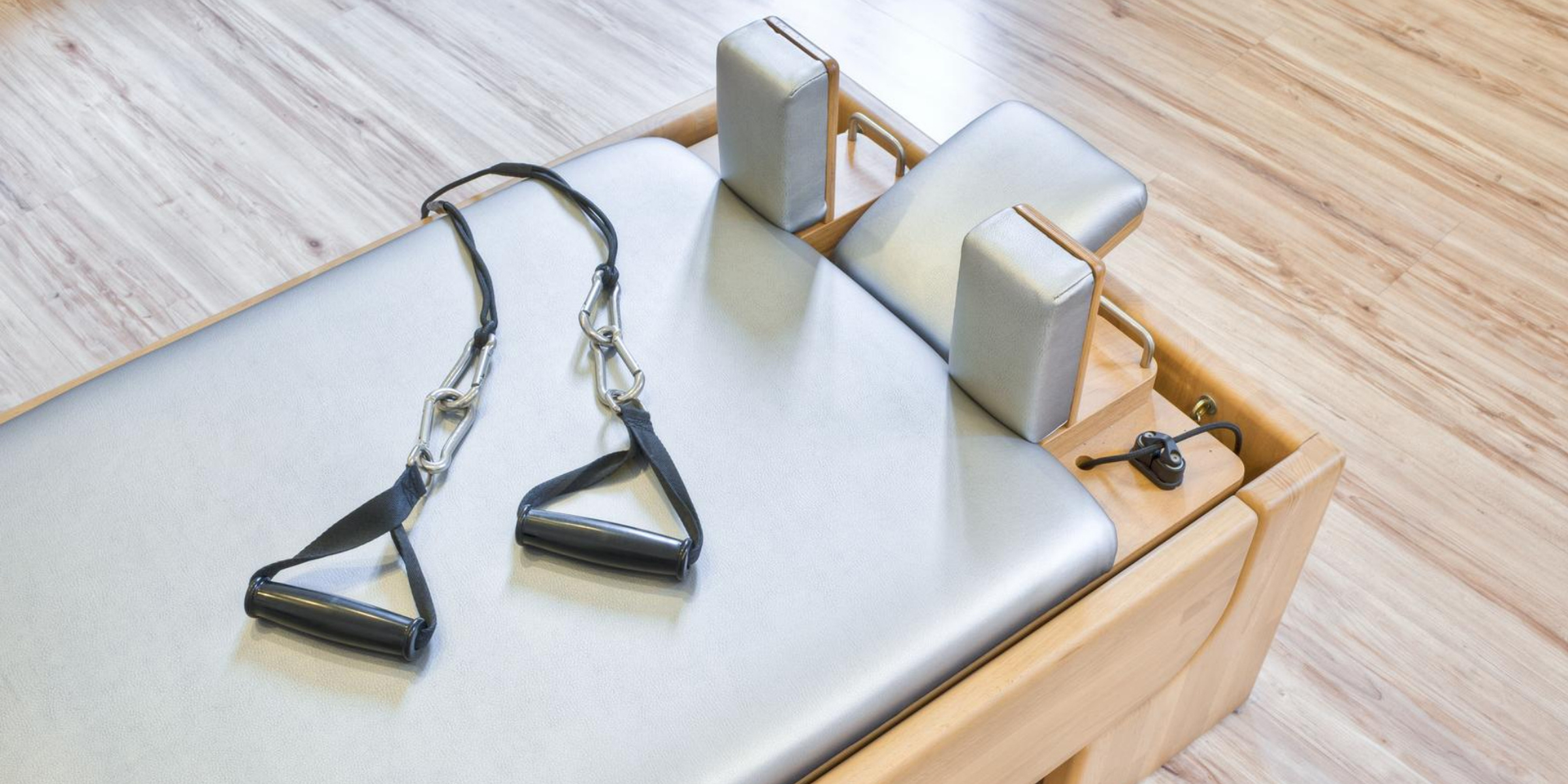
Choosing a Pilates reformer is one of the bigger purchase decisions in fitness. They’re not cheap, they take up real space, and the range of options is genuinely confusing. This guide cuts through it.
Start with what you actually need
Before looking at any brands, be clear on three things:
Budget. Reformers range from around £500 for a basic home model to £5,000+ for professional studio equipment. You don’t need the top of the range for a home practice, but the cheapest options often have limited spring configurations and shorter lifespans. A realistic budget for a quality home reformer is £800–£2,000.
Space. A standard reformer is around 7–8 feet long and 2.5 feet wide. Add at least 3 feet of clearance on each side and 6 feet behind for exercises where the carriage travels. If space is tight, look at foldable models. I use a reformer in my studio and even I spend time shifting it around — measure your space before you commit to anything.
Who’s using it. Home practice for one person is different from a machine that will see heavy daily use, carry multiple body types, or need to be adjustable for clients with different needs. Studio-grade machines are built for longevity and versatility. Home models are built to be accessible and space-efficient.
What to look for in a reformer
The spring system. This is the heart of the machine. Look for at least four springs with varying resistance levels, clearly labelled. Being able to adjust resistance easily and precisely matters far more than any aesthetic feature. Some machines use a colour-coded system; others are numbered.
Carriage quality. The carriage should roll smoothly and quietly. Noise and stuttering are signs of poor-quality wheels or tracks. Try the carriage before buying if at all possible.
Footbar adjustability. A footbar that adjusts easily to multiple positions is essential. If it’s awkward to move, you’ll avoid adjusting it and limit your exercise range.
Build materials. Wood reformers have a traditional feel and look well in home settings. Metal-framed machines tend to be more durable and easier to maintain. Both are fine for home use; for studio use, metal or reinforced wood holds up better over time.
Weight capacity and size range. Check the stated maximum user weight and whether the shoulder block and headrest positions can accommodate different heights. A machine that only works well for one body type limits who can use it.
Brand overview
| Brand | Best for | Notes |
|---|---|---|
| Stott Pilates (Merrithew) | Home and studio | Well-regarded quality, good spring system, some models foldable |
| Balanced Body | Studios and therapists | Highly adjustable, extensive accessories, premium price |
| Peak Pilates | Traditionalists | Handcrafted wood construction, classical feel |
| AeroPilates / Stamina | Home beginners | Lower price point, more limited spring range, good starting point |
Practical buying tips
Try before you buy. If you’re spending serious money, visit a studio that uses the model you’re considering. How the carriage feels under your body tells you more than any review.
Consider second-hand. A well-maintained studio reformer bought second-hand can be excellent value. Balanced Body and Stott machines hold up well and are worth buying used if the carriage and springs are in good condition. Check the springs for rust and the carriage wheels for wear.
Think about accessories. Some reformers come with a box, jump board, or tower attachment. Others treat these as costly extras. If you want a tower (which vastly expands what you can do), check whether the model you’re considering supports it and what it costs.
Factor in delivery and setup. These machines arrive in parts and need assembling. Some suppliers offer installation; others don’t. Worth confirming before purchase.
Do you actually need a reformer?
Honest answer: not necessarily. A strong mat practice builds the same foundations and costs a fraction of the price. If you’re newer to Pilates, I’d recommend working with a reformer in a studio setting before buying one for home — it gives you a much better sense of whether you’ll use it enough to justify the investment.
If you’re already committed and know you’ll use it, it’s a genuinely brilliant piece of equipment. Just take the time to get the right one.
If you’re still weighing up whether a reformer is right for you, see my post on the pros and cons of the Pilates reformer. For a space-saving option, see my guide to foldable Pilates reformers. If you’re comparing a reformer to a Pilates chair, see Pilates chair vs reformer.